
The custom apparel industry is no longer a niche market; it is a global powerhouse. As of 2024, the market was valued at over $54 billion, and by 2026, the momentum has only accelerated. For entrepreneurs looking to carve out a space in this landscape, the decision-making process starts with one critical partner: the private label t-shirt manufacturer.
Selecting a manufacturer is more than a transaction; it is the foundation of your brand's physical identity. A bad partner results in inconsistent sizing, poor fabric quality, and unhappy customers. Conversely, a reliable private label t-shirt manufacturer provides the consistency and quality control necessary to scale from a small startup to a household name.
What Is a Private Label T-Shirt Manufacturer?
A private label t-shirt manufacturer is a specialized production partner that creates garments according to your exact specifications, allowing you to sell them under your own brand name. Unlike "white label" products—where you simply buy a generic item and add a logo—private label manufacturing gives you full creative and structural sovereignty.
In this model, the factory handles the heavy lifting: sourcing raw materials, cutting, sewing, and applying decorations. You, the brand owner, control the "soul" of the product—the fit, the fabric weight, the color palette, and the branding. This allows startups to leverage the infrastructure of global factories while maintaining the uniqueness of a boutique brand.
Private Label vs. Custom Printing and Wholesale
To understand the value of a private label t-shirt manufacturer, you must distinguish it from other common models:
- Custom Printing (DTG/Screen Printing): Most local print shops use "blanks" (pre-made shirts from brands like Gildan or Bella+Canvas). You are limited to the fits and fabrics those brands provide.
- Wholesale Reselling: You buy pre-existing inventory and sell it. There is zero customization, and your product looks identical to your competitors.
- Private Label Manufacturing: You collaborate with the factory to develop a unique garment. This includes custom patterns, proprietary fabric blends, and specialized finishing touches.
Why Modern Startups are Choosing Private Labeling
The shift toward private label production is driven by a change in consumer behavior. According to recent McKinsey fashion insights, modern shoppers prioritize brand authenticity and specialized fits over generic fast fashion.
1. Full Brand Control and Sovereignty
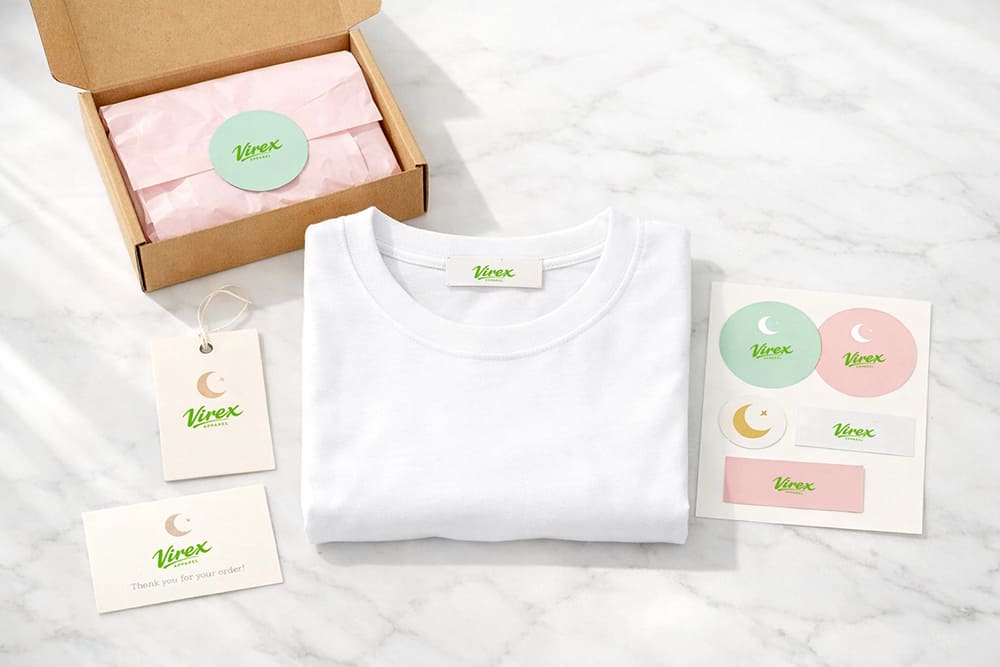
With a private label t-shirt manufacturer, you own every customer touchpoint. The neck label carries your logo, the hang tag tells your brand story, and the poly-bag packaging reflects your aesthetic. This consistency builds the "perceived value" that allows you to charge premium prices.
2. Higher Profit Margins
By working directly with a private label t-shirt manufacturer, you eliminate the markups associated with middleman wholesalers. While the initial development cost might be higher, the "landed cost" per unit at scale is significantly lower. Direct-to-consumer (DTC) brands often see gross margins of 50–70%, providing the capital needed for aggressive marketing.
3. Scalability and the "Wildcard" for Growth
Private label production scales as you do. Many manufacturers now offer "low MOQ" (Minimum Order Quantity) programs, allowing you to start with 50–100 units to test a design. As demand increases, these same partners can handle runs of 10,000+ units. This flexibility is a cornerstone of sustainable fashion manufacturing, helping brands avoid the "inventory graveyard" of unsold stock.
Key Factors to Consider When Choosing a Manufacturer
Not every factory is a fit for every brand. When vetting a potential private label t-shirt manufacturer, evaluate these six critical areas:
1. Minimum Order Quantity (MOQ)
MOQ is the most significant hurdle for startups. While massive overseas factories might require 1,000 units per color, many modern private label t-shirt manufacturers cater specifically to emerging brands with MOQs as low as 50 pieces. Balancing unit cost vs. total investment is key to managing your initial cash flow.
2. Fabric Sourcing and Material Quality
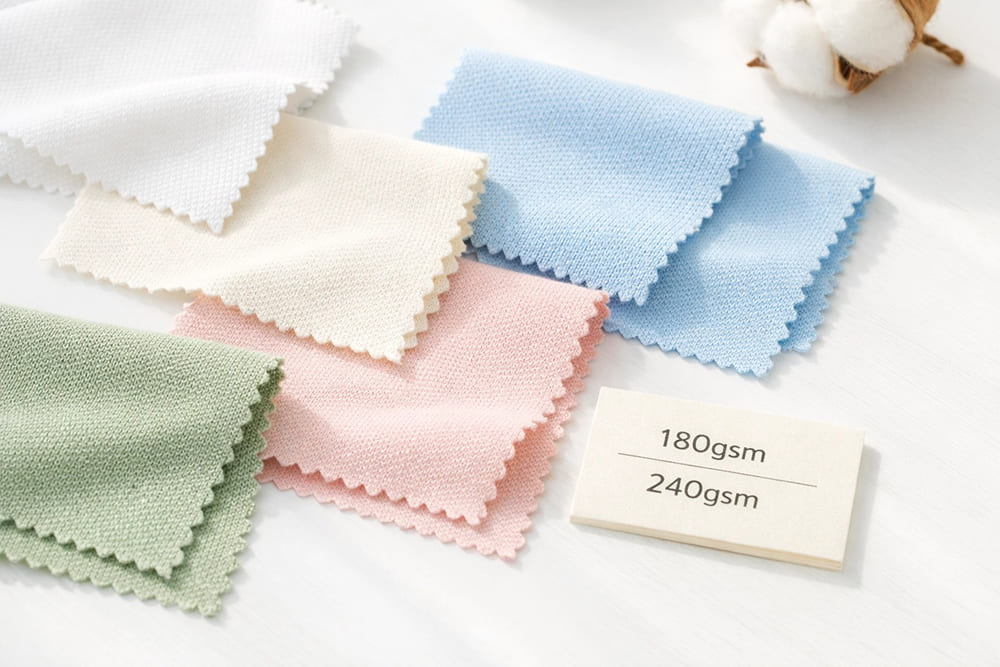
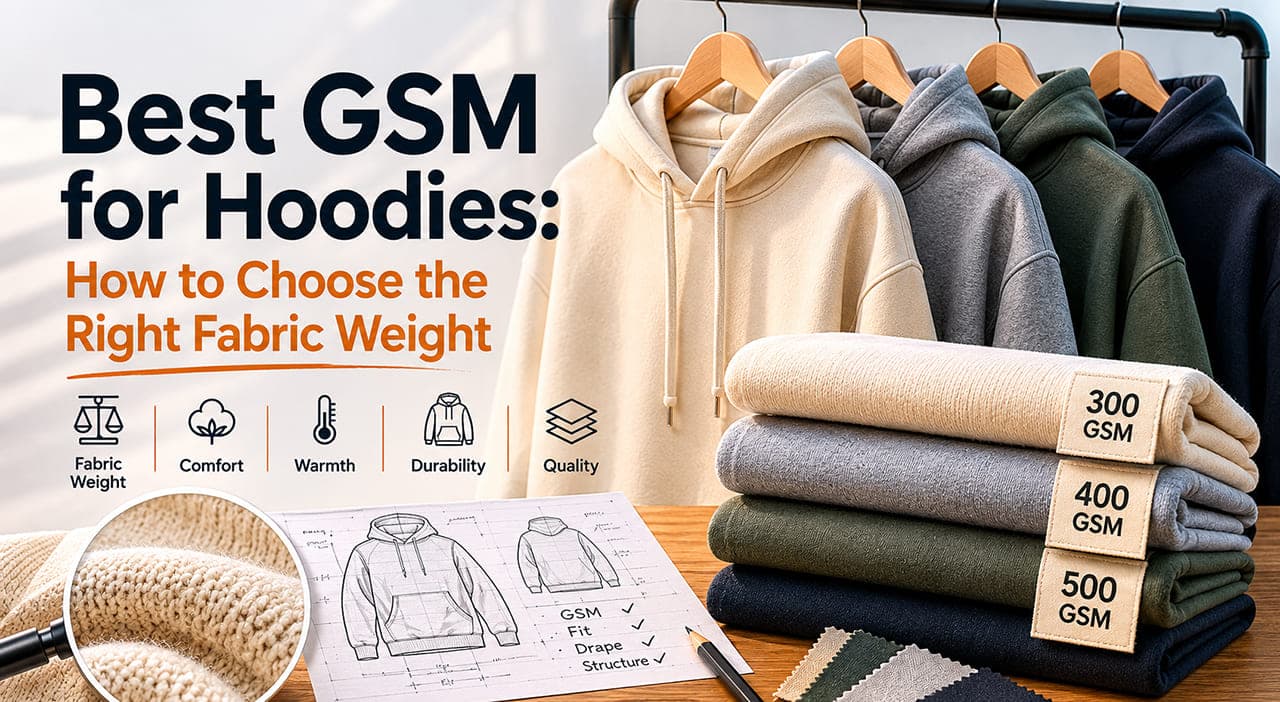
The fabric determines the "hand-feel" and how the garment ages. You should look for manufacturers that offer a variety of options, from 180gsm (grams per square meter) lightweight cotton to 300gsm heavy-duty luxury jersey. In today's market, offering specialized materials like organic cotton or recycled polyester can be a major competitive edge.
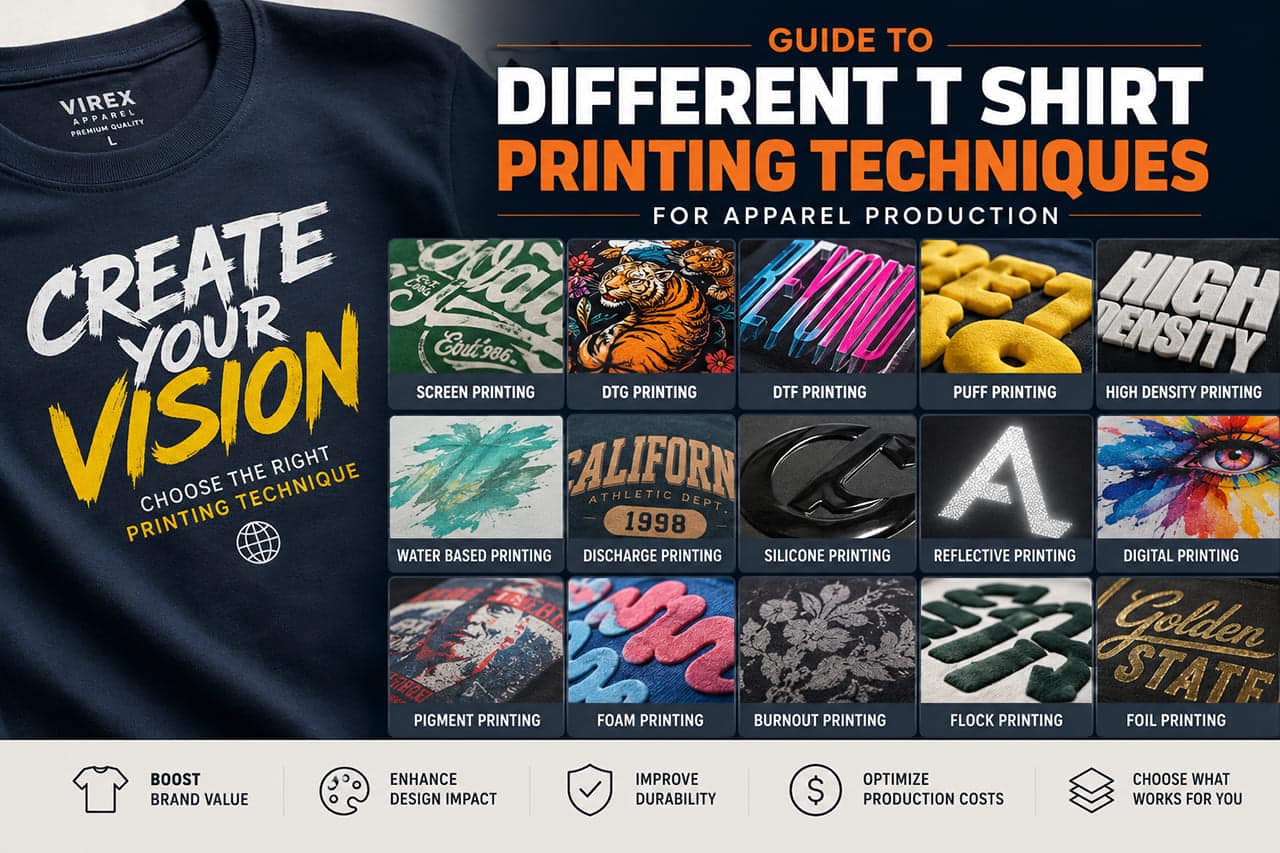
3. Advanced Decoration Techniques
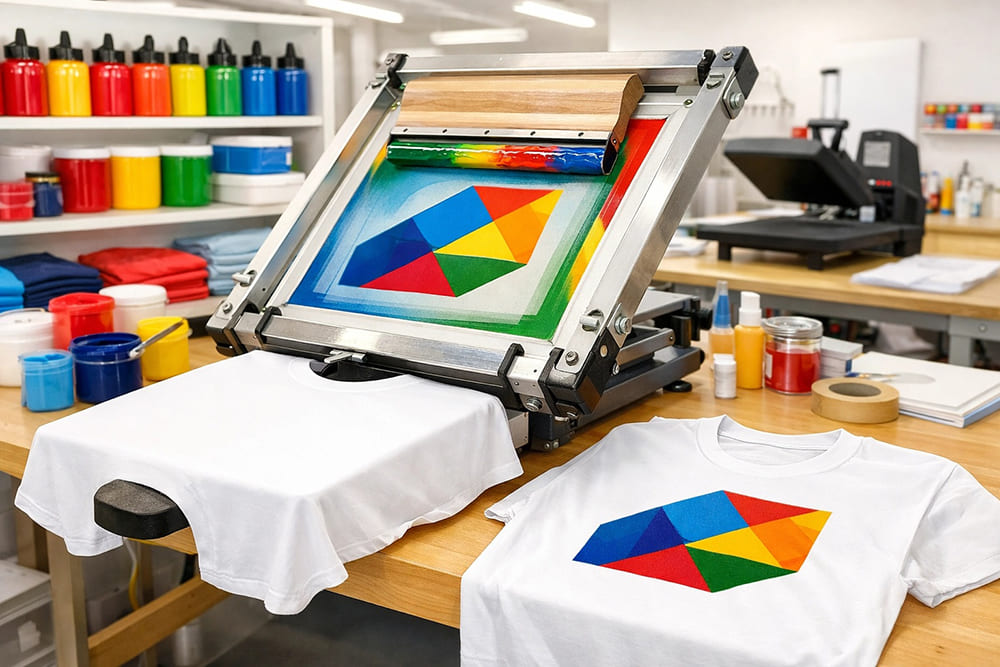
Your designs are only as good as the application. A versatile private label t-shirt manufacturer should offer:
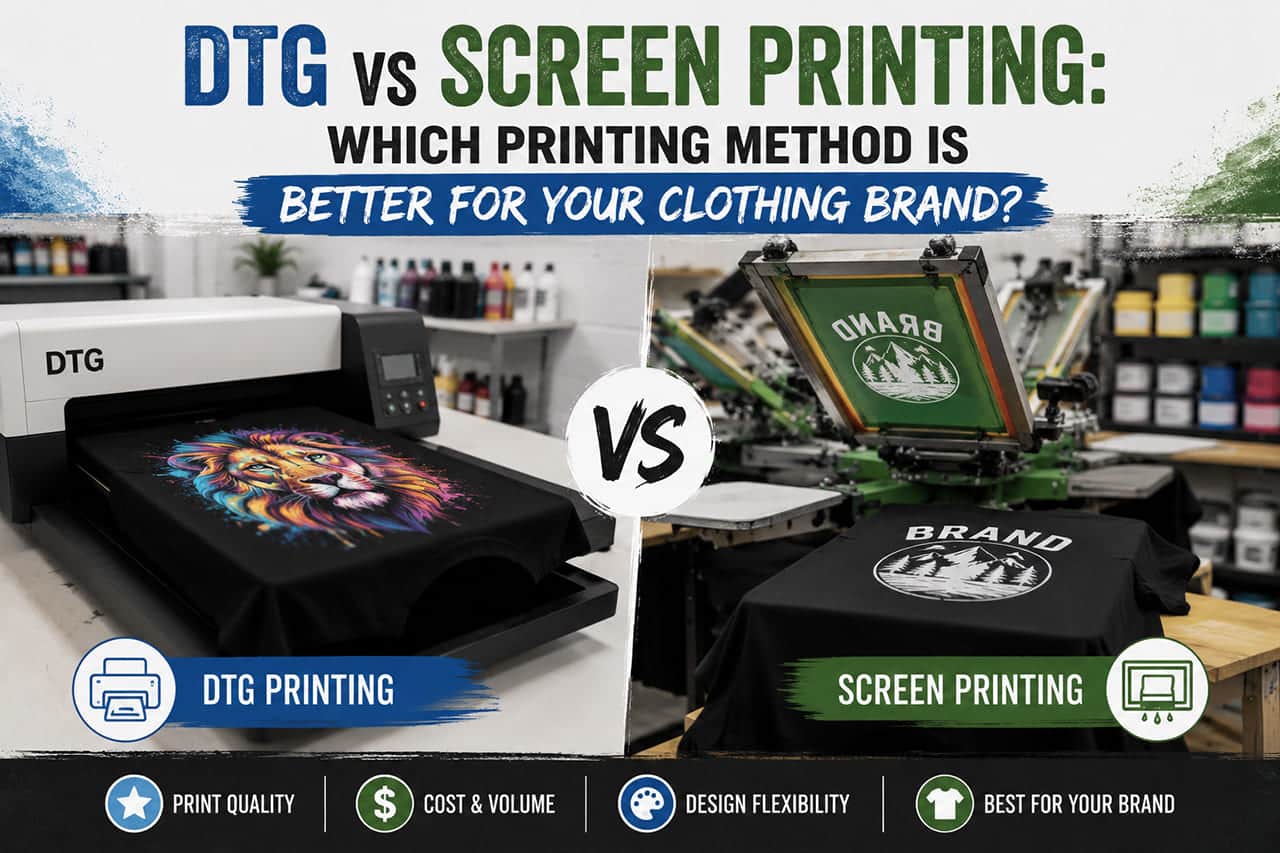
- Screen Printing: High-quality, durable, and cost-effective for large runs.
- Direct-to-Garment (DTG): Ideal for complex, multi-color designs. Significant DTG technology improvements have made this a favorite for small-batch high-fashion.
- Embroidery and Puff Print: For brands looking for a tactile, premium 3D effect.
4. Technical Precision and "Tech Packs"
A tech pack is the blueprint of your shirt. It includes measurements, stitching types, and placement instructions. A high-end private label t-shirt manufacturer will often help you refine these tech packs to ensure the final product matches your vision perfectly. If you are struggling with the technical side of design, exploring a custom t-shirt manufacturing service can bridge the gap between a sketch and a professional garment.
5. Pricing Transparency and "Landed Costs"
Beware of "hidden fees." A professional quote should include fabric, labor, labels, hang tags, poly-bags, and shipping. You must calculate your "landed cost"—the total cost of a product once it reaches your warehouse—to ensure your retail price point is sustainable.
6. Communication and Turnaround Time
In the fashion world, timing is everything. A delay of two weeks can miss a seasonal launch or a holiday window. Evaluate a manufacturer's responsiveness during the inquiry phase; if they take a week to answer an email now, they will likely be slow during production.
Step-by-Step Guide: Working with Your Manufacturer
Step 1: Design and Niche Identification
Before contacting a private label t-shirt manufacturer, define your "ideal fit." Is it an oversized "boxy" streetwear fit or a slim-fit athletic cut? Your niche dictates your fabric choice and manufacturing requirements.
Step 2: Sample Development (The Most Important Step)
Never, under any circumstances, skip the sampling phase. This is your "proof of concept." It allows you to test the fabric shrinkage, the print durability, and the accuracy of the sizing. Expect to pay 2x–3x the bulk price for a sample, but consider it an insurance policy for your brand.
Step 3: Production and Quality Control
Once the sample is approved, production begins. Most private label t-shirt manufacturers require a 50% deposit. During this phase, request "TOP" (Top of Production) samples or photos to ensure the bulk run matches the approved prototype.
Step 4: Logistics and Shipping
Decide between Air Freight (fast but expensive) and Sea Freight (slow but cheap). By 2026, global logistics data suggests that supply chain diversification is essential; having a manufacturer that understands international customs and duties will save you from unexpected legal headaches.
Common Pitfalls to Avoid
Even with a great private label t-shirt manufacturer, things can go wrong if you aren't prepared. Avoid these common mistakes:
- Underestimating Lead Times: Always add a 2-week "buffer" to whatever the factory promises. Customs delays and holidays (like Lunar New Year) are out of their control.
- Neglecting the "Tech" in Tech Packs: If your measurements are vague, the factory will guess. And in manufacturing, guessing leads to disaster.
- Sacrificing Quality for a Lower Price: Saving $0.50 per shirt might seem smart, but if it leads to itchy fabric or peeling prints, your "cost per return" will eat your profits.
- Ignoring Market Trends: Stay informed by following the custom apparel market trends to ensure you aren't producing styles that are already on their way out.
Final Thoughts: Building a Partnership
The relationship with your private label t-shirt manufacturer should be viewed as a long-term partnership rather than a one-off transaction. As your brand grows, your manufacturer's understanding of your quality standards will deepen, leading to smoother production cycles and better pricing.
The custom apparel sector is booming, and there is plenty of room for brands that prioritize quality, storytelling, and unique design. By choosing the right partner, conducting thorough due diligence, and staying committed to your brand vision, you can navigate the complexities of the fashion industry and build a sustainable, profitable business.
If you are ready to take the first step, start by gathering your designs and reaching out to potential partners. Your journey from a simple idea to a fully-realized clothing brand starts with that first high-quality sample.