
Most people who want to start a clothing brand spend months overthinking the idea and never actually launch. Here's what's changed though — the gap between "I have a concept" and "I have a real brand" has never been smaller. The tools, platforms, and global supply chains available right now make it genuinely possible to go from zero to your first sale without a warehouse, a massive budget, or a fashion degree. If you are wondering how to start a clothing brand successfully today, this guide is for you.
2026 is a strange and interesting moment for fashion. Traditional retail is still struggling. Fast fashion is getting backlash. And at the same time, small independent brands are finding real audiences online. If you've been sitting on an idea, this is probably the best window you're going to get to start a clothing brand.
Why 2026 Is a Good Time to Launch Your Label
The Impact of Social Media
Social media has flipped the old model upside down. You no longer need a billboard in Times Square or a spread in Vogue to get people to notice your brand. A single TikTok video, the right Instagram post, or a well-placed creator partnership can introduce your brand to thousands of potential customers overnight. This makes the decision to start a clothing brand much less risky than before. It's a great time to leverage these platforms.
What most people don't realize is that social media also acts as a testing ground. Before you invest heavily in inventory, you can gauge real interest just by putting content out there and seeing how people respond. That kind of feedback used to cost a lot of money in market research. Now it's free.
Easier Access to Manufacturing
The global supply chain, despite all its post-pandemic hiccups, is more accessible to small brands than it's ever been. Platforms that connect independent designers with overseas and domestic manufacturers have matured significantly. You don't need to place 10,000-piece orders to get started. Minimum order quantities have come way down, and communication with suppliers has improved with translation tools and direct messaging platforms, removing a major hurdle for those looking to start a clothing brand. This ease of access makes it simpler to launch with custom products.
Rise of Niche Brands
Big brands are losing ground to smaller ones that feel more personal and authentic. Consumers — especially younger buyers — aren't just purchasing a product. They're buying into a story, a community, a set of values. A niche brand with a clear identity can compete in ways that would've been impossible a decade ago. This trend encourages entrepreneurs to focus on specific communities.
Choosing a Profitable Niche Before You Start a Clothing Brand
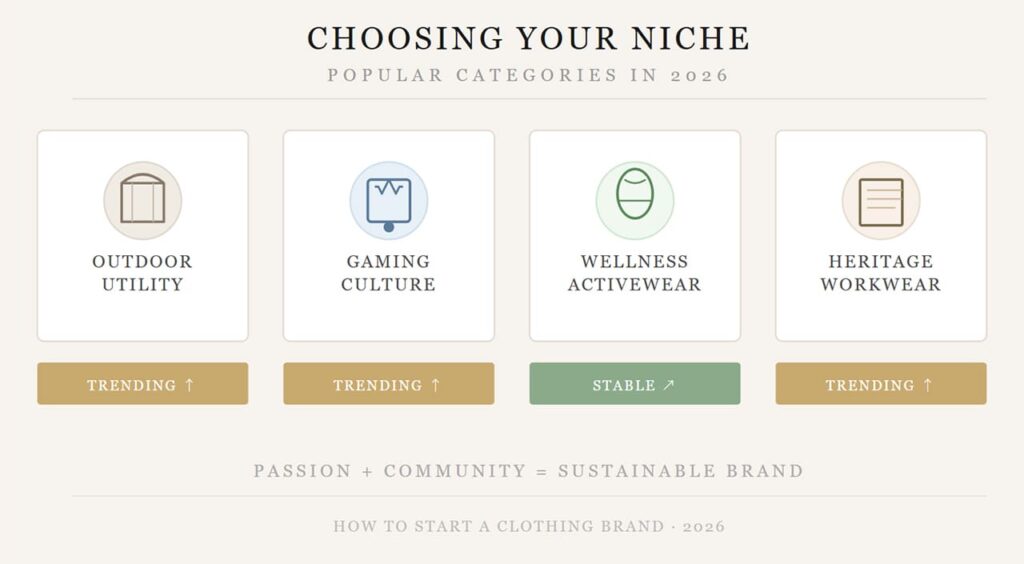
Popular Niches in 2026
Some categories are seeing strong momentum right now: outdoor and utility wear, brands built around subcultures (gaming, anime, specific music scenes), wellness and activewear, and heritage-inspired workwear. What unites these isn't just aesthetics — it's that they each have passionate, engaged communities behind them.
That said, a "popular" niche isn't automatically the right one for you. The most sustainable brands tend to come from founders who actually live inside the world they're designing for. It's crucial to find your passion before you start a clothing brand.
How to Validate Demand
Before you spend a dollar on samples, do the research. Look at what's selling on platforms like Depop, Grailed, or even Etsy. Check search trends. Scroll through Reddit communities related to your target niche and see what people are complaining about — those pain points are often where opportunities hide when you start a clothing brand.
You can also run a simple pre-launch campaign. Build a basic landing page, drive some traffic to it (even with a small paid budget), and see if people sign up or express interest. If nobody bites, that's useful information too.
Building Your Brand Identity
Brand Name and Positioning
Your brand name matters more than people give it credit for. It doesn't need to be clever or cryptic, but it should be memorable and searchable. Check domain availability, social handles, and trademark conflicts early — before you fall in love with a name only to find out it's already taken. This is a vital step when you start a clothing brand.
Positioning is about deciding what you stand for and who you're talking to. A brand that tries to speak to everyone usually ends up resonating with no one. The cleaner and more specific your positioning, the easier everything else becomes — your product decisions, your marketing, even your pricing.
Understanding Your Audience
Spend real time here. Who is this person? What do they already wear? Where do they spend time online? What other brands do they buy from — and more importantly, what do they feel those brands are missing? Understanding consumer trends defining 2026 can provide valuable insights.
From what I've seen, the brands that grow fastest in the early stages are the ones where the founder is basically their own customer. They understand the frustration or the gap in the market from personal experience, not just research.
Designing Your Products
Starting Without Design Experience
You don't need to be a trained designer to start a clothing brand. A lot of successful founders started with basic sketches and clear references — mood boards, competitor products, specific details they wanted to include or change — and worked with freelance technical designers or manufacturer design teams to bring things to life.
Tools like Adobe Illustrator, Canva, and even AI design assistants have made it easier to communicate a vision even if you can't draw. The key is being specific. Vague briefs lead to vague results.
Custom Clothing Advantages
Going the custom route — rather than buying blank garments and just adding a logo — gives you more control over how your product looks, feels, and fits. It also makes your brand harder to copy. When you work with a reliable custom clothing manufacturer, you can dial in details like fabric weight, fit, hardware, and labeling in a way that actually sets your brand apart on a rack or in a photo. That attention to detail is what turns a first-time buyer into a repeat customer. This approach is key for those who want to successfully start a clothing brand.
Finding a Reliable Manufacturer
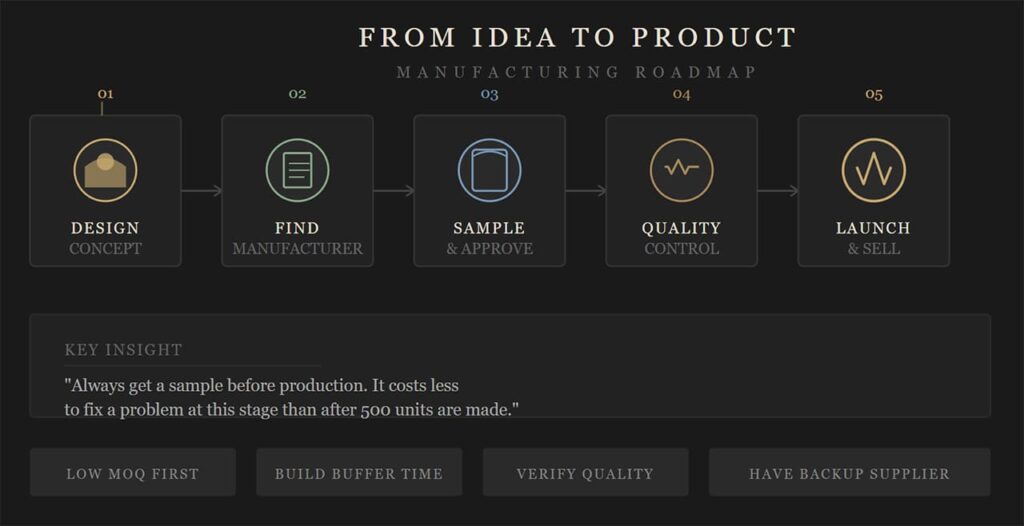
What to Look For
You want a manufacturer who communicates clearly, meets deadlines, and is upfront about what they can and can't do. Ask for samples before committing to a production run. Ask for references if you can get them. Check lead times, minimum order quantities, and what their process looks like when something goes wrong — because at some point, something will. Finding the right clothing manufacturers is essential when you start a clothing brand.
Common Mistakes to Avoid
A lot of beginners run into this: they go with the cheapest option and end up with quality problems they can't fix after the fact. Low price and low risk don't go together in manufacturing.
Another common mistake is not building enough lead time into your timeline. Production takes longer than you think. Shipping takes longer. Delays happen. Build buffer into your schedule from day one.
Sampling and Quality Control
Why Sampling Matters
A sample is your proof of concept. It's where you find out if the spec you wrote translates into an actual garment you're proud of. Skipping samples to save money almost always costs more in the long run.
What to Check
Fit across multiple body types (not just the size you wear), stitching quality at stress points, colorfastness after washing, label placement, and how the fabric actually feels. Be honest with yourself during this stage. It's much easier to fix problems before production than after.
Pricing and Business Model
Low MOQ vs Bulk Production
Starting with lower minimum order quantities gives you flexibility and reduces risk. You're not sitting on hundreds of units you can't move. The tradeoff is higher per-unit cost. As you grow and start to understand what sells, you can move toward larger orders and better margins.
Print-on-Demand vs Custom Manufacturing
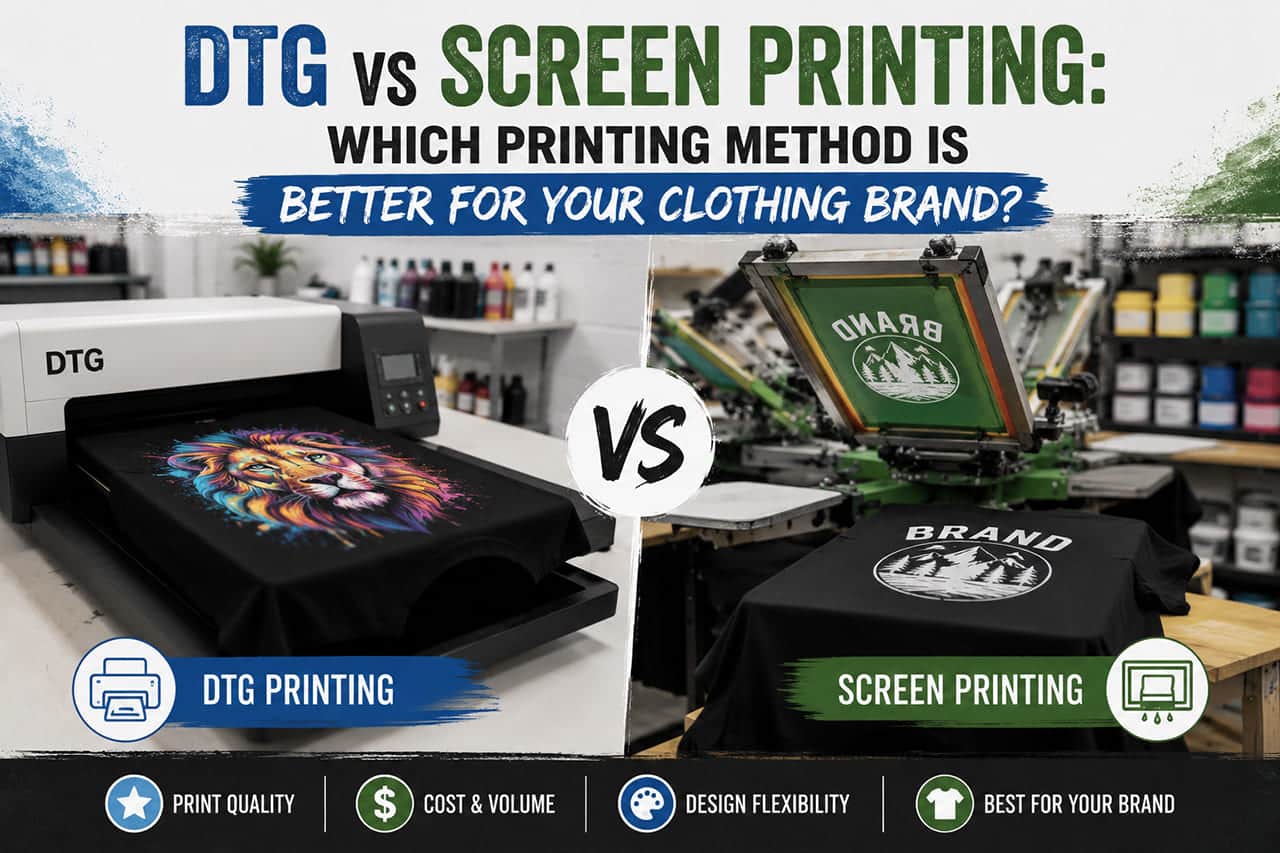
Print-on-demand is a good way to test designs without upfront inventory costs. But it has limits — the product quality tends to be more generic, profit margins are thinner, and you have less control over the customer experience. For a detailed comparison, explore this Print-on-demand vs custom manufacturing guide. Custom manufacturing gives you better margins and more brand control, but requires upfront investment and more planning. Consider these options carefully when launching your brand.
Setting Up Your Online Store
Shopify vs WooCommerce
Shopify is easier to get started with, has better out-of-the-box e-commerce tools, and their support is solid. For a comprehensive comparison of the best ecommerce platforms for clothing brands in 2026, refer to industry analyses. WooCommerce is more flexible and cheaper on a monthly basis if you already have a WordPress site, but the learning curve is steeper. For most people starting out, Shopify is the faster path to a live store. This platform choice is critical for your brand.
Beginner Setup Tips
Keep it simple at first. You don't need fifty apps, fancy animations, or a complicated loyalty program on day one. Get your products listed cleanly, make sure your checkout works on mobile, write honest product descriptions, and set up basic email capture. That's enough to start.
Marketing Your Brand in 2026
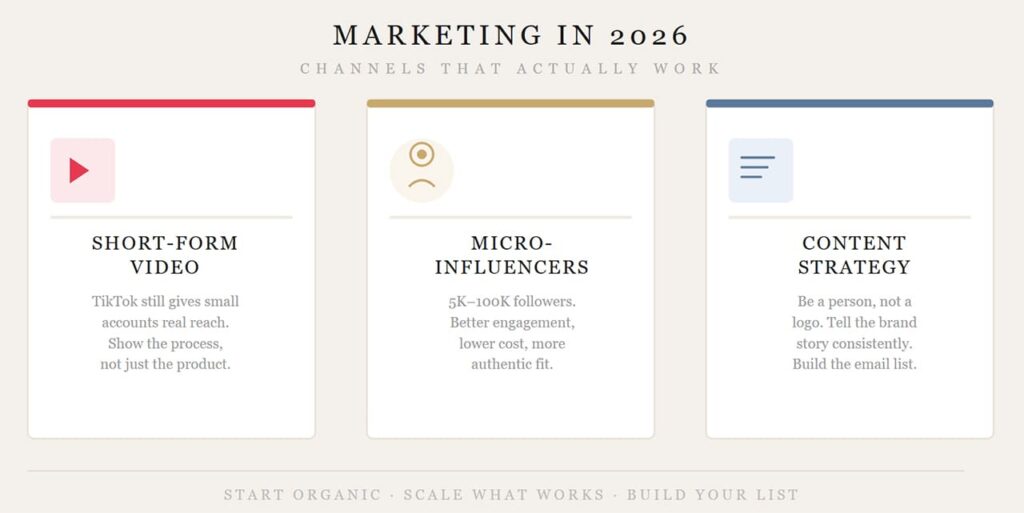
TikTok and Short-Form Content
Short-form video is still the highest-leverage organic channel for a new brand. The algorithm on TikTok specifically still gives smaller accounts a real shot at reaching large audiences, which isn't something you get with most other platforms. To stay ahead, understanding the latest social media marketing trends for fashion is crucial. Effective marketing is vital for your brand.
Influencer Marketing
Micro-influencers — creators with somewhere between 5,000 and 100,000 followers in a specific niche — often drive better results than larger accounts for emerging brands. The audiences are more engaged, the cost is lower, and the fit tends to be more authentic.
Content Strategy
Don't just post product shots. Show the process. Share the story behind the brand. Be a person, not a logo. This is especially true in the early stages when you don't have a huge catalog to show. The brand story IS the product at first.
Real Challenges Beginners Face When They Start a Clothing Brand
Budget Limitations
You will run out of money faster than you expect if you're not careful. Prioritize spending on things that directly generate revenue: product, sampling, and targeted marketing. Hold off on the fancy packaging and the elaborate brand films until you have cash flow.
Supplier Issues
This is something I've seen quite often — new founders place their first order and get ghosted, or the quality is significantly worse than the sample. Have backup suppliers identified before you need them.
Slow Early Growth
Most brands take 12 to 18 months before they start to feel real traction. That's normal. The ones that make it are usually the ones that stayed consistent during the quiet period.
Common Mistakes to Avoid
Trying to launch with too many SKUs. Spending too much on branding before validating the product. Ignoring the financial side until it becomes a crisis. Pricing too low out of fear and then being unable to afford growth. Not building an email list from day one. These are common pitfalls for new brands.
Future Trends in Fashion
Sustainability is shifting from a talking point to a real purchasing factor, especially among younger consumers. For more insights, see the sustainability trends in the fashion industry. AI-assisted design tools are changing how products get made. Hyper-localized drops and community-first brands are gaining traction. And the resale and secondhand economy continues to grow, which is actually an opportunity for smart new brands that position around longevity and quality.
Wrapping Up
To start a clothing brand in 2026 is genuinely possible for someone willing to do the work, stay patient, and learn from early mistakes. The barriers are lower than they've ever been. But that also means more competition. What's going to separate the brands that last from the ones that fade out after six months is clarity of vision, consistency, and real product quality. It's an exciting time for new brands.
Start small, stay focused, and build the kind of brand you'd actually want to buy from. That's still the best advice anyone can give to those who want to start a clothing brand.