When you would like to start your custom clothing project and send a detailed tech pack to the clothing factory. But they come back asking, "What GSM do you need?"
And you freeze and keep wondering what does GSM mean in fabric?
If that has happened to you, don't worry—you're reaching out to a good custom clothing company. Most new brand owners have been there. GSM sounds technical, but once you get it, you'll use it in every single conversation with your manufacturer. It's that fundamental.
Get your GSM right, and your garments feel exactly the way your customers expect. Too light, and the tee looks cheap on the hanger. Too heavy, and your summer collection becomes unwearable in July. The number affects your cost, your quality, your printing — everything.
So let's break it down. Plain and simple, from someone who works in production every day.
What Does GSM Mean in Fabric?
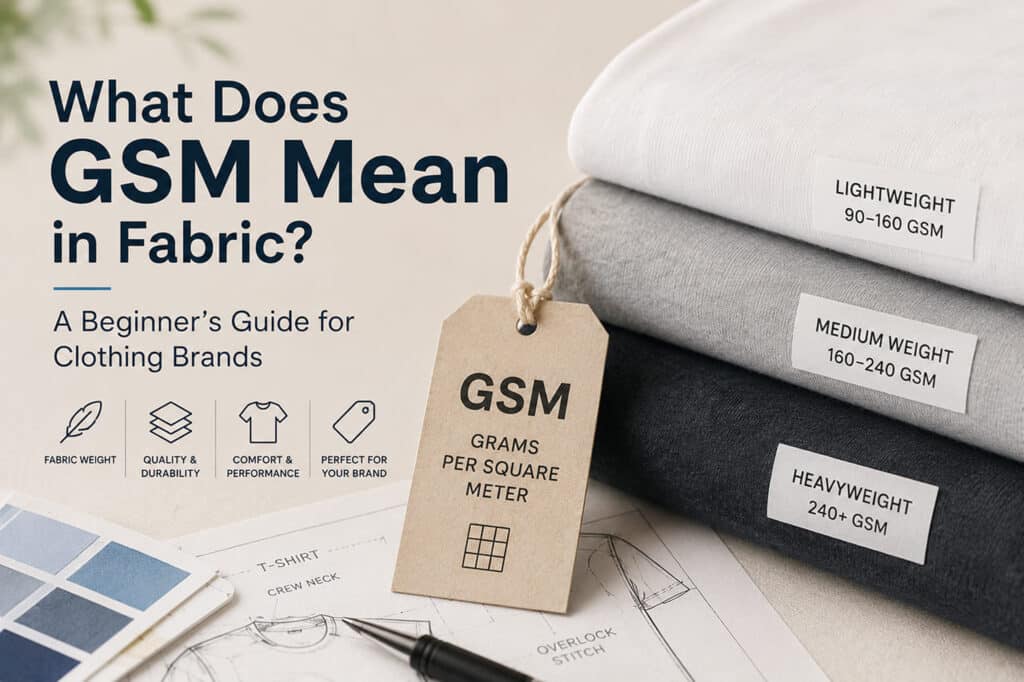
GSM stands for Grams per Square Meter.
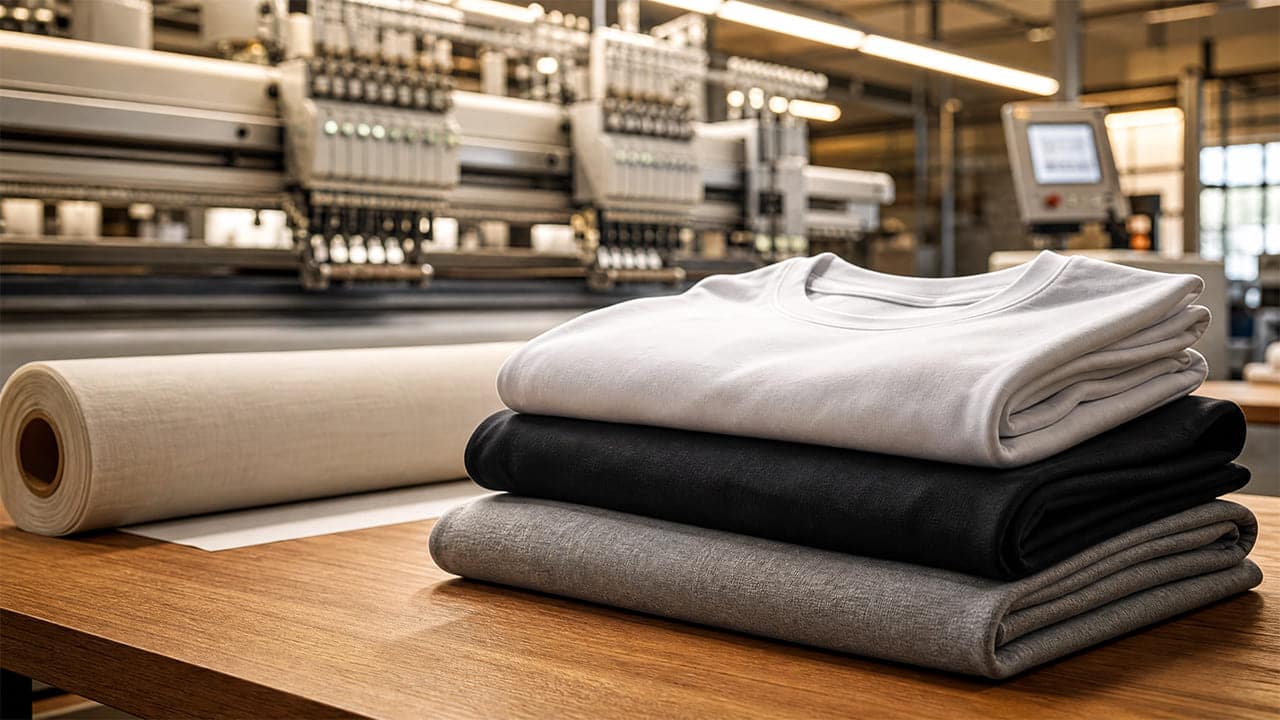
That's the whole definition. Take a piece of fabric. Cut it exactly one meter by one meter. Weigh it in grams. That number — that's the GSM.
A 150 GSM fabric means one square meter weighs 150 grams. A 300 GSM fabric? Double the weight, same size. Simple.
But here's something that confuses people: GSM measures weight, not thickness.
A tightly knitted fabric can have a high GSM and still feel relatively thin. A loosely structured fleece might feel thick and airy but actually weigh less than you'd expect. Weight and thickness usually go together, but they're not the same thing. We'll get into that distinction more later.
Why GSM Matters More Than Most Brands Realize
Many new brands focus on the logo, the colorway, and the lifestyle photography. GSM becomes an afterthought. Then the samples arrive, and something feels off—and they can't figure out why.
Nine times out of ten, it's the fabric weight.
Here's exactly how GSM touches every part of your product:
Quality perception. Heavier fabric uses more raw material. Customers feel that instantly. A 220 GSM tee in your hand feels more substantial than a 140 GSM one—even before they try it on.
Durability. Heavier fabrics hold up better over time. They resist pilling, stretching, and post-wash shrinkage. If you want repeat customers, you want fabric that survives the laundry—repeatedly.
Breathability. Lighter GSM means more airflow. A 130 GSM linen shirt is perfect for summer. A 320 GSM French terry hoodie is built for layering in cold weather. Match the weight to the season, or your customers will match it to the charity bin.
Garment structure. Some silhouettes simply need weight to work. An oversized drop-shoulder tee in 140 GSM will cling and droop. In 240 GSM, it holds that boxy shape perfectly — on the hanger and on the body.
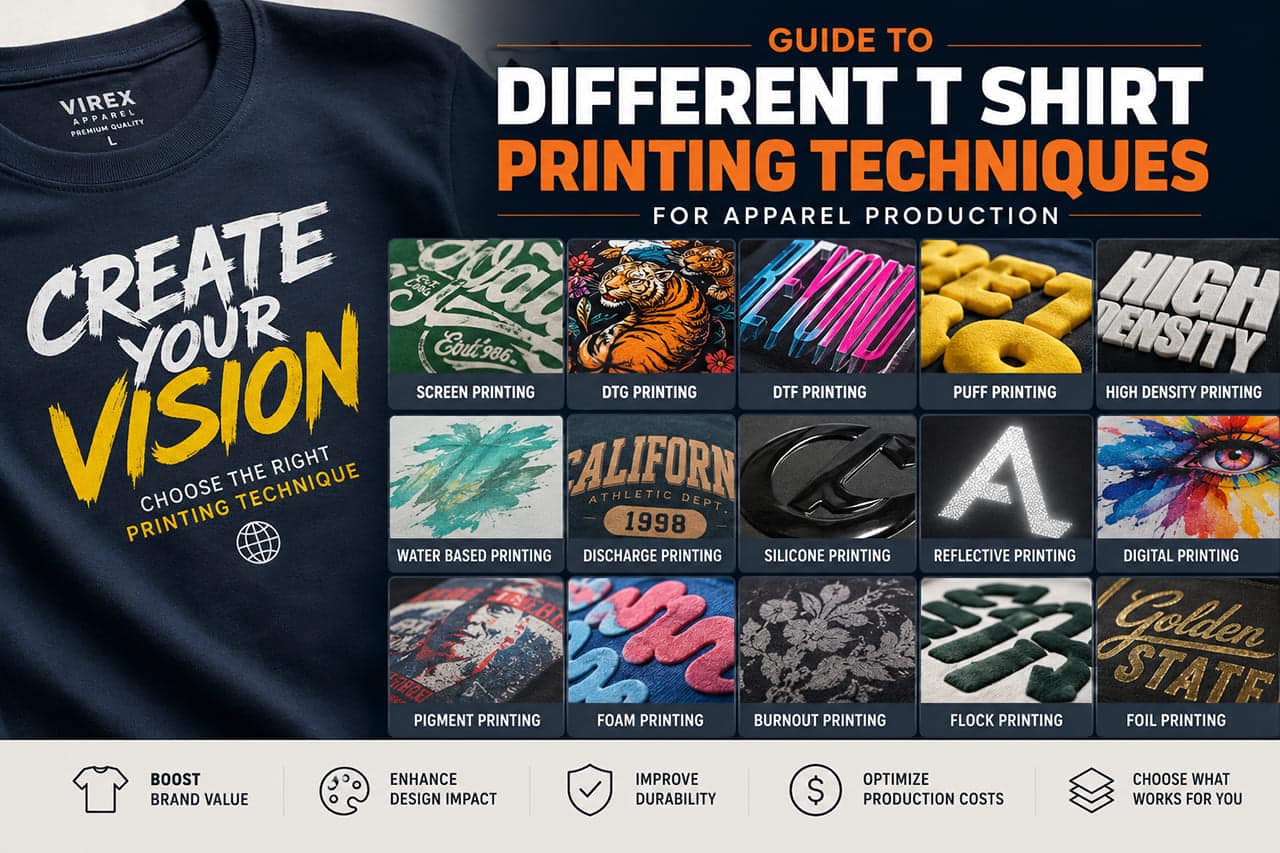
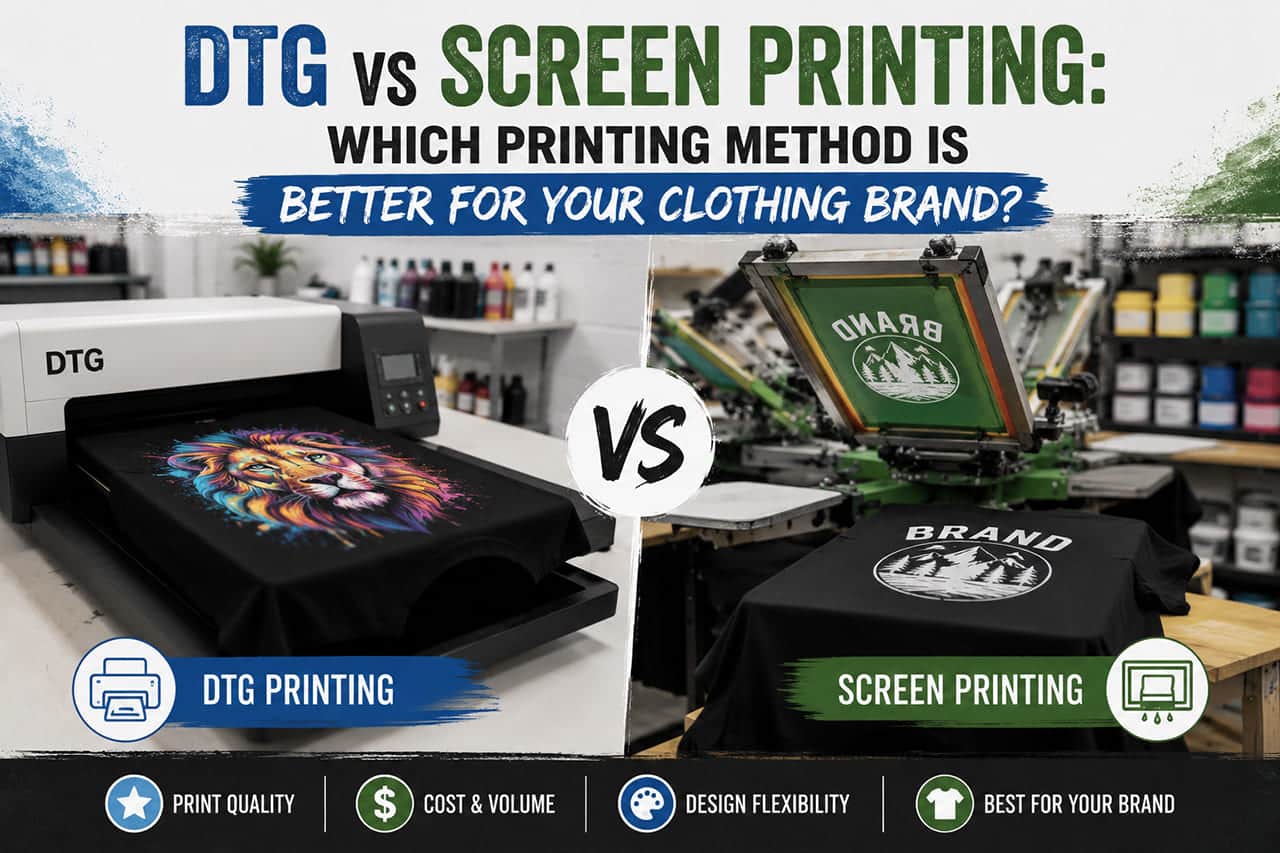
Printing compatibility. This one surprises brands. Very lightweight fabrics can distort under the pressure of a screen printing platen. DTG printing performs better on denser surfaces — typically 180 GSM minimum for clean results. Know your GSM before you finalize your print method.
Cost. More fabric means higher cost. Going from 260 GSM to 300 GSM can add 8–15% to your fabric cost alone. That adds up fast at scale. Understanding GSM helps you make smart trade-offs between quality and margin.
Lightweight vs Medium Weight vs Heavyweight Fabric

There are three broad categories you'll work with in production. Here's how they compare:
| Category | GSM Range | Feel | Common Uses | Pros | Cons |
|---|---|---|---|---|---|
| Lightweight | 100–180 GSM | Airy, soft, thin | Summer tees, tanks, athletic wear, liners | Breathable, affordable, great for heat | Less durable, can be see-through, poor for printing |
| Medium Weight | 180–260 GSM | Balanced, structured | Everyday tees, casual hoodies, polo shirts | Versatile, prints well, good drape | Not warm enough for serious cold-weather use |
| Heavyweight | 260–400+ GSM | Thick, dense, substantial | Premium tees, streetwear hoodies, workwear, fleece | Durable, premium feel, holds structure | More expensive, less breathable, heavier shipping |
Medium weight is your safe starting zone. Most quality everyday basics sit between 180–240 GSM. Go lighter when breathability is the priority. Go heavier when you want that premium, substantial feel that streetwear customers actively seek out.
Common GSM Ranges by Garment Type

Different garments have different expectations — from customers, from retailers, and from the production process itself.
T-Shirts — 130 to 300 GSM Standard retail tees cluster around 160–200 GSM. Premium and streetwear tees have pushed that norm up to 220–280 GSM. The "heavyweight tee" trend is real, and it shows no signs of slowing down.
Hoodies & Sweatshirts — 280 to 500+ GSM Entry-level fleece hoodies sit around 280–320 GSM. Established premium brands usually operate at 380–450 GSM. The very top of the streetwear market? Often 500 GSM and above.
Sportswear & Athletic Wear — 130 to 200 GSM Performance is the priority here. Lightweight, moisture-wicking, breathable. Anything heavier restricts movement and traps heat.
Tank Tops — 120 to 160 GSM Light is the entire point. Above 180 GSM, a tank starts to feel heavy and stiff — and that defeats the purpose.
Oversized Tees — 200 to 280 GSM The extra silhouette demands extra weight. Without it, the fabric collapses in on itself. With it, the boxy shape sits perfectly — that's the look customers are paying for.
Streetwear Tees — 220 to 300 GSM The market has shifted. What used to be "premium" is now baseline expectation. If you're launching into streetwear, plan your GSM accordingly from day one.
Best GSM for T-Shirts
T-shirts are usually the first product a new brand launches, and GSM decisions often get made without enough information. Let's get specific.
120–160 GSM: Lightweight Tees
Promotional shirts. Event giveaways. Basics at very low price points. They're fine for what they are. But if you're positioning as a quality brand and charging $45–60 for a tee, this weight will undercut you. Customers can feel the difference. These fabrics can also be slightly translucent, especially in white or light colors.
180–220 GSM: Standard to Premium
This is the sweet spot for most brands. At 180 GSM, you're in solid mid-range retail territory. Push to 200–220 GSM and you're genuinely premium—opaque, comfortable, durable, and a great base for screen printing or embroidery.
If you're unsure where to start, 200–220 GSM is the safest recommendation for a quality everyday tee.
240–300 GSM: Heavyweight Streetwear
This is where modern streetwear lives. Customers pick it up and immediately feel the difference. It photographs beautifully. It holds structure. It resists shrinkage better over time. The trade-off is cost and breathability—a 280 GSM tee is noticeably warmer to wear. For a brand built around quality and aesthetic, that trade-off is usually worth every penny.
Best GSM for Hoodies and Sweatshirts
Hoodies are where brands get into real trouble with GSM. The range is wide, and the price implications are significant.
Basic Hoodies — 280 to 320 GSM
Functional. Acceptable for branded merchandise or entry-level basics. The fleece inside is light; the hand feel is utilitarian. Good for budget-conscious production. Not what you want if premium is your positioning.
Premium Hoodies — 340 to 400 GSM
This is the serious brand range. The weight is substantial, the fleece is plush, and the hoodie holds its shape after repeated washing. It supports embroidery and screen printing well. Most established streetwear brands operate somewhere in here.
Winter / Heavy Fleece — 400 to 500 GSM
Dense loopback terry or heavy brushed fleece. Built to layer. Built to last. If you're going after a streetwear-meets-outerwear positioning—or launching a drop for cold-weather markets—this is where you want to be.
Luxury Streetwear — 450 to 600 GSM
At this level, the physical experience of the product is the product. Brands charging $250–400 for a hoodie are often here. The fabric is dense, heavy, and immediately impressive in person. It's not just about warmth. It's a statement.
Does Higher GSM Mean Better Quality?
Let's be direct: not automatically.
GSM tells you how heavy the fabric is. That's it. It doesn't tell you:
- Fiber quality. 300 GSM fabric made from low-grade cotton will still pill and fade faster than a 200 GSM fabric made from combed Supima cotton. The fiber matters enormously. For anyone wanting to go deeper on cotton fiber grades and quality standards, Cotton Incorporated's textile resources is one of the most authoritative references in the industry.
- Yarn construction. Ring-spun, open-end, combed, carded — these different yarn types produce very different textures and durability at the same GSM.
- Knit structure. Single jersey, double jersey, French terry, interlock—same weight, entirely different hand feel and performance.
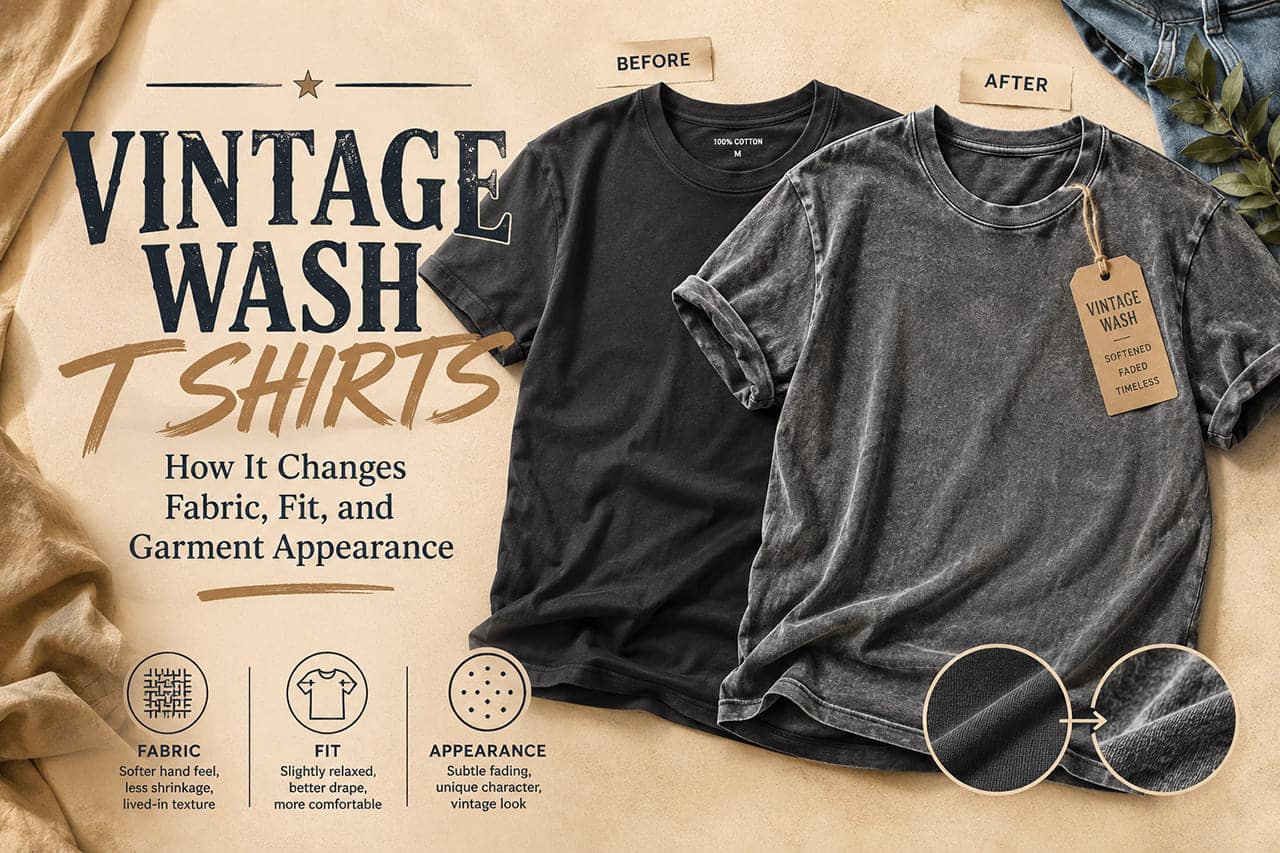
- Finishing process. How a fabric is pre-shrunk, dyed, and softened has a massive impact on what the customer actually feels and how the garment holds up.
A well-made 220 GSM combed cotton jersey will often feel better — and last longer — than a poorly made 280 GSM standard cotton jersey. Higher GSM is a signal, not a guarantee.
When evaluating fabric, always ask about fiber content and yarn type alongside the GSM number. Both matter.
How Clothing Manufacturers Choose GSM
Here's how this decision actually gets made on the factory side:
Target market. A gym wear brand and a luxury streetwear brand have completely different GSM needs for the same garment category. The end customer's expectations always drive the conversation first.
Brand positioning. Budget, mid-range, premium, and luxury map roughly to GSM tiers. Higher GSM costs more to make and should command a higher retail price. Alignment between these two is essential.
Climate. Brands selling into tropical or equatorial markets need to think lightweight. Brands targeting Northern Europe, Canada, or mountain regions can — and should — go heavier.
Print method. Screen printing, DTG, embroidery, and heat transfer all have minimum GSM requirements for clean results. We recommend 180 GSM minimum for screen printing and 200 GSM for embroidery. Confirm this before sampling — not after.
Garment style. Structured, oversized silhouettes need weight to hold their shape. Fitted styles can often go lighter without compromising the look.
Production cost. GSM directly affects your fabric cost. Know the number — and what it does to your margin — before you commit to a weight, especially at volume.
GSM vs Fabric Thickness: They're Not the Same Thing
This comes up constantly, and it's worth addressing clearly.
Heavier GSM usually means thicker fabric. But not always. The density and structure of the knit matters just as much as the raw weight.
Take this example: a 300 GSM loopback French terry (with visible loops on the inside) will feel noticeably puffier and thicker than a 300 GSM double-knit jersey, which feels dense and firm. Same weight. Very different result — both in feel and appearance.
If visual thickness matters for your design — say, a hoodie that needs that "puffy" look from the front — ask your manufacturer specifically about the knit construction. GSM alone won't tell you the whole story.
Tips for Choosing the Right GSM for Your Brand
Practical advice, not theory:
- Request samples at two or three GSM options. Don't trust descriptions alone. Feel the fabric. Hold it up to light. Wash it once and feel it again — that's the real test.
- Match GSM to your price point. Charging $65 for a tee? Don't use 150 GSM fabric. The product experience won't justify the price, and customers will notice.
- Lock in your print method early. If screen printing is central to your brand identity, confirm your minimum GSM requirement before committing to a fabric. Save yourself from a painful surprise mid-production.
- Think about your customer's climate. A 300 GSM tee is a hard sell in Miami in August. Know your market, and design for it.
- Don't obsess over GSM alone. Get the fiber composition right too. GSM without fiber quality is only half the equation.
- Talk to your manufacturer before sampling. This is the most important one. A five-minute conversation about GSM upfront can save weeks of back-and-forth and rounds of expensive samples.
Conclusion
GSM is one of the most practical things you can learn as a clothing brand owner. Once you understand it, you stop guessing and start making deliberate product decisions. It gives you a real shared language with your manufacturer — and that clarity alone is worth a lot.
Here's what to take away:
- GSM = Grams per Square Meter. It measures fabric weight, not necessarily thickness.
- Higher GSM usually means heavier, more durable fabric — but fiber quality and yarn construction matter just as much.
- Match your GSM to your garment type, your season, and your brand positioning.
- For t-shirts, the general sweet spot is 180–220 GSM. For hoodies, 320–420 GSM is a strong quality starting range.
- Always discuss GSM with your manufacturer before sampling. Don't assume. Ask.
Get the weight right, and everything else becomes easier.