Hey there! If you have ever thought about getting a custom t-shirt, hoodie, or pair of jeans made just for you, you might wonder how those clothes affect the planet. The fashion world creates a ton of waste and pollution, but there is a simple way to make things better: choosing recycled fabric for your sustainable custom clothing.
This choice helps turn old plastic bottles or worn-out clothes into fresh new garments. It feels good knowing your unique piece doesn't add to the problem. In this article, we'll explore why recycled fabric clothing is a smart move for anyone who cares about the environment and wants stylish, made-to-order pieces.
Introduction of Sustainable Custom Clothing
Sustainable custom clothing means getting apparel tailored to your exact size, style, and needs without harming the Earth. Instead of mass-producing tons of clothes that might never sell, custom orders cut down on waste right from the start.
When brands use eco-friendly custom apparel options, they focus on better materials and smarter processes. This approach lets you express yourself while supporting practices that protect natural resources. One of the best ways to level up your custom order is by picking custom clothing made from recycled materials. It combines personalization with real environmental care.
What Is Recycled Fabric?
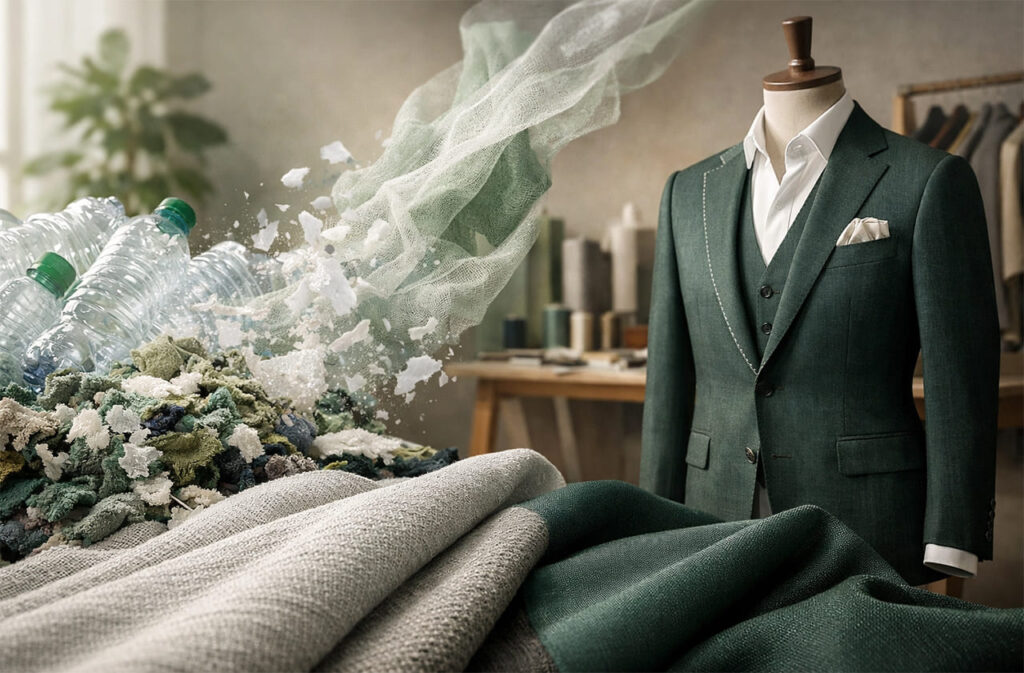
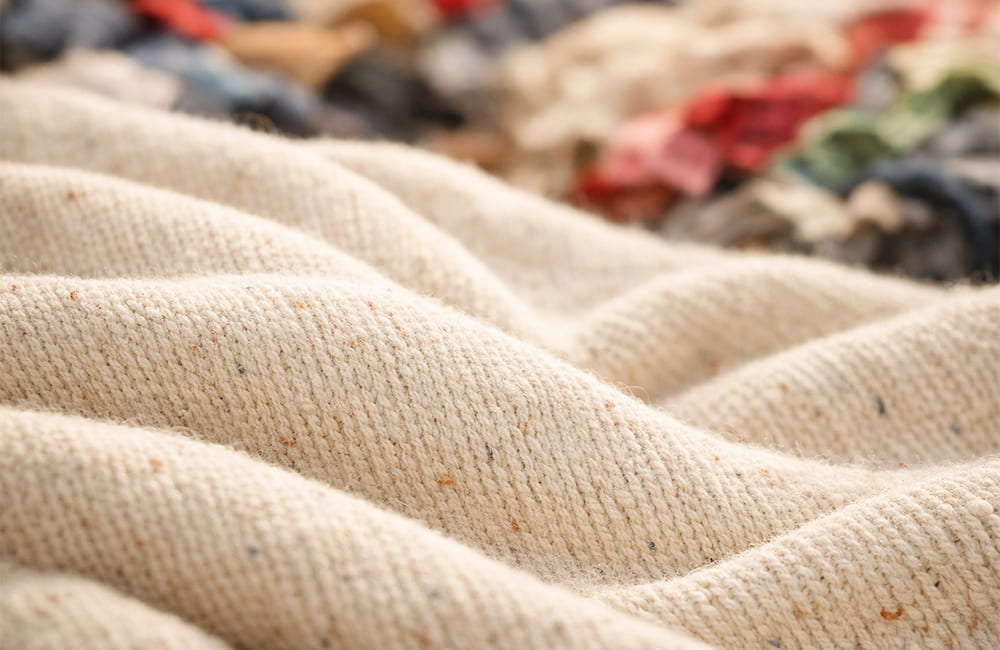
Recycled fabric is material made from items that would otherwise end up in landfills or oceans. Instead of starting from scratch with new raw materials like fresh cotton or petroleum, manufacturers collect waste and turn it into usable yarn and cloth.
This process gives a second life to plastics, old garments, or manufacturing scraps. It reduces the need for virgin resources and keeps useful stuff in circulation longer. For sustainable fashion materials, recycled options are a game-changer because they close the loop on waste.
Common Types of Recycled Fabrics
Several types of recycled fabrics work great for clothing. Here are some popular ones:
- Recycled polyester (rPET): Often made from plastic water bottles. It's strong, quick-drying, and perfect for activewear or jackets. Producing it uses far less energy than new polyester.

- Recycled cotton: Created from leftover fabric scraps or old clothes. It feels soft and breathable, ideal for everyday tees and casual wear.
- Recycled nylon: Comes from things like fishing nets or old carpets. It's durable and stretchy, great for swimwear or leggings.
- Recycled wool: Re-spun from old wool garments or scraps. It keeps you warm and cozy while saving resources.
These options show how versatile recycled fabric clothing can be. Brands mix them with other fibers for the best feel and performance.
Why Recycled Fabric Matters in Custom Clothing
Using recycled fabrics in custom pieces isn't just a nice idea—it's practical and impactful. When you order sustainable custom clothing with these materials, you're helping shift the industry toward better habits.
Your one-of-a-kind item can actually make a positive difference instead of adding to the pile of unused clothes.
Environmental Benefits
Recycled fabrics lower the overall harm from fashion. Making new polyester or cotton takes huge amounts of water, energy, and chemicals. Recycled versions cut that down dramatically—sometimes by 50-80% for carbon emissions and energy use.
This means less strain on the planet. Forests stay intact, rivers stay cleaner, and the air has fewer greenhouse gases. For anyone who loves custom designs, it's a way to enjoy style without the heavy guilt.
Reduced Waste and Pollution
The fashion industry throws away billions of garments every year. Recycled fabrics divert plastic bottles and textile waste from landfills and oceans. One recycled polyester shirt can keep several bottles out of the sea.
Plus, less new production means fewer dyes and chemicals polluting waterways. Choosing custom clothing made from recycled materials directly supports a cleaner world and a circular system where nothing goes to waste unnecessarily.
Energy and Resource Savings
Creating virgin fabrics eats up oil, water, and land. Recycled options save big: recycled polyester can use about 59% less energy, and recycled cotton reduces the need for new farming water.
These savings add up, especially when scaled across custom orders. It's a smarter way to use what we already have instead of constantly taking more from nature.
Benefits for Brands and Businesses
Businesses that offer eco-friendly custom apparel gain more than just good feelings. They build stronger connections with customers and stand out in a crowded market.
Brand Image and Sustainability
Customers notice when a company cares. Using sustainable fashion materials like recycled fabrics shows commitment to the planet. It boosts your reputation as a thoughtful brand that walks the talk.
Many companies, like outdoor gear makers, now aim for nearly all recycled content in their lines. This transparency helps build trust and loyalty.
Customer Demand for Eco-Friendly Products
People increasingly want clothes that align with their values. Demand for recycled clothing has jumped in recent years. Shoppers look for recycled fabric clothing because it lets them feel good about their purchases.
For custom clothing businesses, offering these options meets that demand head-on. It attracts eco-conscious clients who value quality and planet-friendly choices.
Challenges of Using Recycled Fabric
It's not all smooth sailing. While the upsides are clear, brands and makers face some hurdles with recycled materials.
Cost Considerations
Recycled fabrics can cost more upfront due to collection, sorting, and processing. This sometimes raises the price of final custom pieces.
However, as technology improves and demand grows, prices are becoming more competitive. Many businesses find that the long-term benefits—like happier customers—outweigh the initial expense.
Quality and Availability
Not every recycled fabric matches the consistency of virgin materials yet. Supply can vary, and some blends may have slight differences in texture or strength.
That said, quality has improved a lot. With better tech, recycled options now perform well for most custom apparel needs, though careful sourcing helps avoid issues.
How to Choose Recycled Fabric for Custom Apparel
Picking the right fabric for your custom order doesn't have to be complicated. A few smart checks ensure you get something durable and truly sustainable.
Key Factors to Consider
Focus on what matters most for your needs: comfort, use case, and real eco-credentials.
Fabric Source
Ask where the material comes from. Good recycled fabrics use post-consumer waste (like bottles or old clothes) or pre-consumer scraps. Traceable sources build confidence that the process is honest.
Durability
Test how the fabric holds up. Recycled polyester often excels in strength and moisture-wicking, while recycled cotton offers softness for daily wear. Choose based on whether your custom piece will see heavy use or gentle days.
Certifications
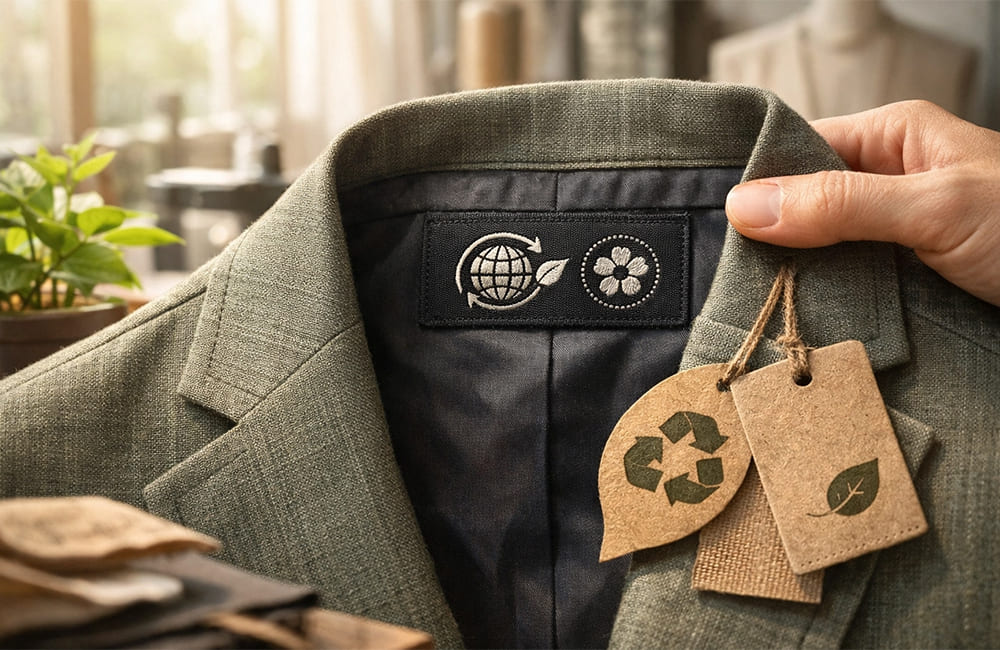
Look for trusted labels that verify claims. The Global Recycled Standard (GRS) confirms recycled content and responsible practices . Other helpful ones include OEKO-TEX for safety and Bluesign for cleaner production. These marks make it easier to trust your sustainable custom clothing choice.
The Future of Recycled Fabric in Fashion
The outlook looks promising. More brands are scaling up recycled materials, and new technologies are making fiber-to-fiber recycling easier—even for tricky blends.
Circular fashion is gaining ground, with closed-loop systems that keep fabrics in use longer. Consumer demand keeps rising, pushing innovation in bio-based and recycled options. By 2026 and beyond, expect even more high-quality recycled fabric clothing in custom and ready-to-wear lines.
This shift could make sustainable choices the default, helping the whole industry lighten its footprint while still delivering great style.
Conclusion
Choosing recycled fabric for sustainable custom clothing is one of the easiest ways to make your personal style more planet-friendly. It reduces waste, saves resources, and supports a cleaner future—all while letting you rock unique, well-fitting pieces.
Next time you're thinking about a custom order, consider custom clothing made from recycled materials. You'll look good and feel even better knowing your choice matters.
Small decisions like this add up to big change. Thanks for reading—let's keep pushing fashion in a greener direction, one custom garment at a time! What recycled fabric project are you dreaming up? I'd love to hear in the comments.