
When you're starting a clothing brand, the t-shirt is usually the first thing you think about. And for good reason. It's simple, it's versatile, and almost everyone wears one. But once you start digging into the details, you quickly realize there's a lot more to choosing the right types of t-shirts than just picking a color and slapping your logo on the front.
The types of t-shirts you choose say a lot about your brand. The style, the fit, the fabric — all of it shapes how your customers feel when they hold your product for the first time. Get it right, and they'll come back. Get it wrong, and even great branding won't save you.
This guide covers all the major types of t-shirts you need to know — organized by style, fit, and fabric — so you can make the right call for your brand. No fluff, just the stuff you actually need to know.
Types of T-Shirts by Style
There are more t-shirt styles out there than most people realize. Each one sends a different message, attracts a different customer, and works better for some brands than others. Understanding which types of t-shirts fit your brand identity is the first step before you even think about production. Here's a quick breakdown.
Crew Neck T-Shirts

This is the one everyone knows. Round neckline, clean look, works for almost any brand. If you're not sure where to start, start here. Crew necks are the backbone of streetwear drops, branded merch, and everyday lifestyle collections.
V-Neck T-Shirts

A small change in the neckline makes a big difference in how a shirt feels. V-necks have a slightly more relaxed, dressed-up vibe. They tend to appeal to a slightly older crowd and work well for lifestyle and fashion brands targeting both men and women.
Henley T-Shirts

Henleys have a short button placket at the top — think of it as the middle ground between a t-shirt and a casual button-up. They're popular in menswear, workwear-inspired brands, and anything with a rugged or heritage feel.
Polo Shirts

Polo shirts come with a collar and a couple of buttons at the top. They're a bit more polished than a regular tee, which makes them a good fit for sports brands, corporate apparel, or any brand that wants to look put-together without going full formal.
Graphic Tees

Graphic tees aren't really defined by their cut — they're defined by what's on them. Big prints, bold artwork, limited-edition designs. They're the heart of band merch, street culture, and art-driven brands. The design is the product.
Longline T-Shirts

These are longer than your average tee — dropping past the hip, sometimes even further. They're popular in streetwear and contemporary fashion. If your audience is young and style-conscious, longlines are worth considering.
Pocket Tees

A small chest pocket doesn't sound like much, but it adds a casual, worn-in character that a lot of customers love. Pocket tees work great for heritage, outdoor, and Americana-inspired brands.
These are just the most common types of t-shirts by style — and already, you can see how much variety there is. The right choice depends entirely on the kind of brand you're building.
Types of T-Shirts by Fit
Fit might be the single most important factor in whether someone loves your shirt or just tolerates it. Among all the different types of t-shirts, fit is what determines how the garment actually feels on the body — and whether customers want to wear it again. Here are the main t-shirt fits you'll come across — and who they're best for. Getting this right is just as important as choosing the right types of t-shirts by style.
Regular / Classic Fit

Not too tight, not too loose. Regular fit is the safe middle ground that works for most body types and most brands. If your audience is broad, this is your default.
Slim Fit

Slim fit tees are tapered through the chest and waist, so they sit closer to the body. They look great in product photos and are a popular choice for fashion brands and anything targeting a younger, more style-aware crowd.
Oversized Fit

Oversized is everywhere right now — and for good reason. It's comfortable, it photographs well, and it fits right into the streetwear and gender-neutral apparel wave. If you're targeting anyone between 18 and 30, they probably expect this option.
Boxy Fit

Boxy is similar to oversized, but it's more structured. Wider shoulders, a squared-off hem, and a silhouette that feels intentional rather than just "big." This fit is popular in premium basics and high-end streetwear.
Athletic / Performance Fit

Built for movement. Performance fit tees are cut to stay in place during activity — fitted through the shoulders and chest, with a fabric that stretches. If you're in activewear or sports lifestyle, this is your go-to.
Women's Fitted Cut

A women's cut isn't just a smaller version of a men's shirt. It's shaped differently — with darts, a narrower shoulder, and a silhouette that follows the body. Getting this right matters a lot. Women can tell immediately when a brand hasn't put thought into their fit.
Types of T-Shirts by Fabric
Here's where things get really interesting. Across all types of t-shirts, t-shirt fabric is what separates a shirt that feels like a premium product from one that feels like a giveaway. When you look at the different types of t-shirts on the market, fabric is often the biggest reason two shirts that look the same can feel completely different. Here's what you need to know.
100% Cotton

Cotton is the classic. It breathes well, it's soft, and it prints easily. For the best quality, look for combed ring-spun cotton — the fibers are smoother and tighter, which makes the shirt noticeably softer. Most quality basics brands use somewhere between 180–220 GSM.
Cotton-Polyester Blends

Mix cotton with polyester and you get a fabric that's more durable, less likely to shrink, and easier on the budget. A 60/40 or 50/50 blend is common. These are great for high-volume print runs and promotional items.
Tri-Blend Fabrics

Tri-blends mix cotton, polyester, and rayon. The result is incredibly soft with a subtle heathered look that feels distinctly premium. These are popular in lifestyle and athleisure brands, and customers tend to love how they feel.
Bamboo and Organic Cotton

More and more customers are asking about sustainability — and they mean it. According to the Business of Fashion, sustainability is now one of the biggest factors driving purchase decisions in apparel. Organic cotton uses fewer pesticides and less water. Bamboo is naturally soft, breathable, and antibacterial. If your brand has an eco-conscious angle, these fabrics give you a real story to tell.
Modal and Tencel

These are made from wood pulp and feel incredibly smooth — almost silky. They drape nicely and are popular in women's fashion basics and luxury loungewear. They cost more, but the softness speaks for itself.
Performance and Moisture-Wicking Fabrics

For activewear, you need fabrics that manage sweat, hold their shape, and keep colors looking sharp. Polyester-based performance fabrics do all of that. Look for mesh weaves or moisture-wicking finishes depending on the activity level you're designing for.
How to Choose the Right T-Shirt for Your Brand
With so many different types of t-shirts out there, it's easy to get overwhelmed. Here's a simple way to think through it:
- Start with your customer. Picture the person wearing your shirt. What do they care about? How do they dress? A 22-year-old in Tokyo and a 45-year-old in Texas have very different ideas of what the best types of t-shirts look like.
- Match the fit to the lifestyle. Oversized and boxy for fashion-forward brands. Classic and slim for everyday lifestyle and corporate use.
- Don't cheap out on fabric. The moment someone pulls your shirt out of the bag is a brand moment. Make it count.
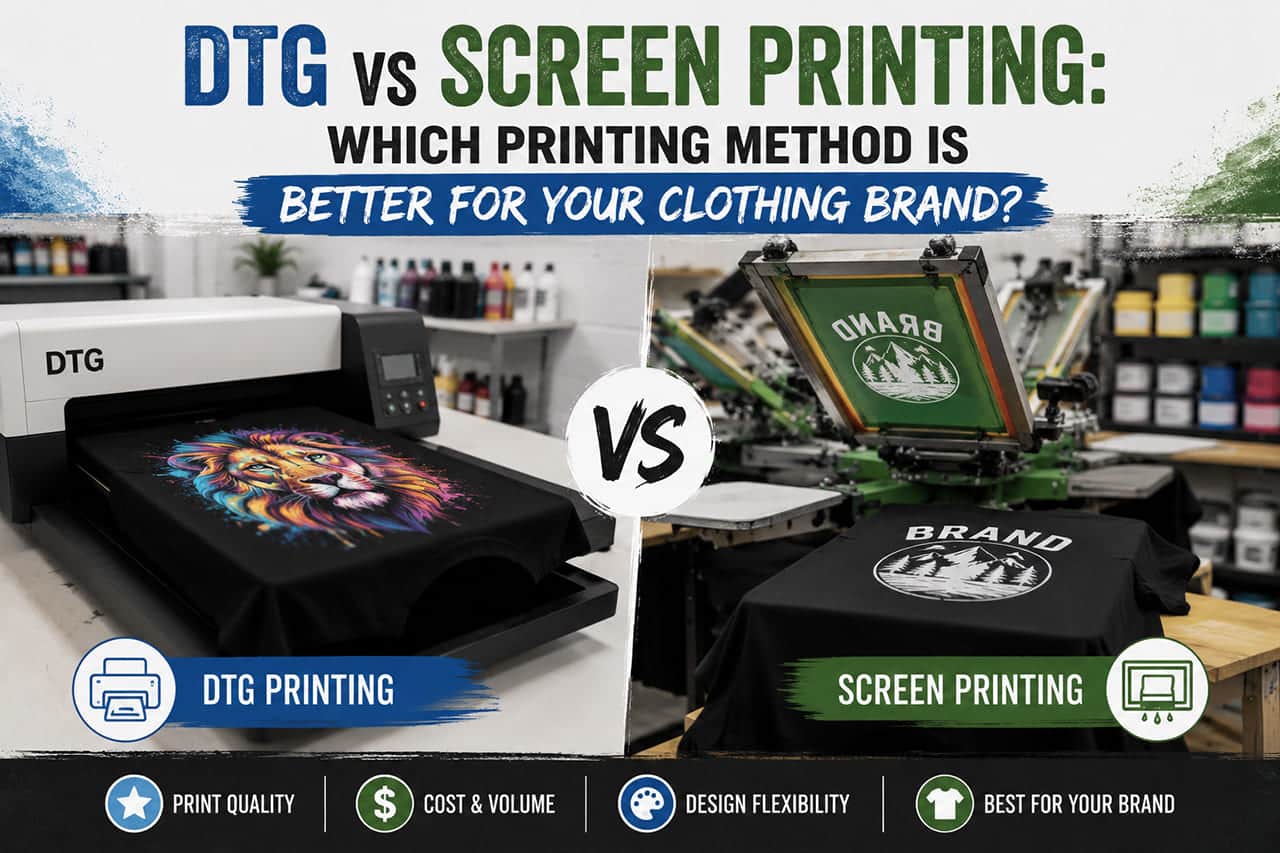
- Think about how you'll print. Some fabrics work better with screen printing, others with DTG or embroidery. Tri-blends, for example, can be tricky for screen printing. Shopify's guide to starting a clothing line is a useful read for understanding how these decisions affect your margins and brand perception.
- Know your price point. Better fabrics cost more to make, but they also let you charge more — and customers feel the difference.
- Launch small, then grow. Pick one or two tees that feel right for your brand. Test them. Get feedback. Then expand from there.
The key is not to overthink it early on. Most successful brands started with just one or two types of t-shirts and built from there once they understood which types of t-shirts their customers actually wanted.
T-Shirt Manufacturing Guide
Once you know what kind of shirt you want to make, the next challenge is finding someone to make it well. This is where a lot of new brands run into problems.
What to Look for in a T-Shirt Manufacturer
Not every factory is a good fit for every brand. Here's what to pay attention to:
- MOQs (minimum order quantities): Some factories only work with large orders. If you're just starting out, look for manufacturers that offer lower minimums so you can test before you commit.
- Sample quality: Always order samples. A good manufacturer will get it right quickly. A bad one will take forever and still miss the mark.
- Transparency about materials: Know where your fabric comes from. This matters for quality — and for your brand story if you're making sustainability claims.
- Consistency: Can they make 500 shirts that all look the same? What about 5,000? Inconsistency kills customer trust.
- Communication: Production always hits bumps. You want a partner who's upfront about issues, not one who ghosts you when things go wrong.
Working with a Custom T-Shirt Manufacturer
If you're building a real brand — not just reselling blanks — you need a manufacturer that understands custom production. That means someone who can work from your specs, handle the different types of t-shirts in your line, and scale with you as your orders grow.
For brands that need that kind of flexibility, partnering with a dedicated custom t-shirt manufacturer is usually a smarter move than going through a generic wholesale supplier. Custom manufacturers know the details — pattern grading, shrinkage rates, print compatibility — and that knowledge shows up in the final product.
Many growing brands partner with manufacturers like Virex Apparel because they offer the consistency and production support needed to move from small sample runs into full-scale launches without quality dropping off.
Key Production Steps to Know
You don't need to be an expert in manufacturing, but knowing the basic steps helps you ask better questions and avoid expensive mistakes:
- Tech pack — This is your blueprint. It tells the manufacturer exactly what to make: measurements, materials, stitching, labels, everything. If you're new to this, Entrepreneur has a solid overview on how to launch a clothing brand that covers what to have ready before you approach any factory.
- Fabric approval — Always get physical swatches before production starts. Colors look different on screen.
- Samples — Get a fit sample and a salesman sample. Try it on. Have someone else try it on. Don't skip this.
- Bulk production and QC — Set checkpoints during production, not just at the end. Catching a problem early is much cheaper than fixing it after 2,000 shirts are made.
- Packaging and labeling — Woven labels, hang tags, poly bags — these finishing details matter more than people think. They're often the last thing a customer sees before they put on your shirt.
Conclusion
There's no single right answer when it comes to the types of t-shirts your brand should offer. It really depends on who you're building for, what story you want to tell, and how you want customers to feel when they wear what you make.
Understanding the different types of t-shirts — across style, fit, and fabric — is one of the most important early decisions you'll make as a brand. Get these decisions right from the start and you'll save yourself a lot of headaches later. Pick a style that fits your customer. Choose a fabric that reflects your brand's quality. Find a manufacturing partner who takes your product as seriously as you do.
Whether you're launching your first drop or expanding an existing line, the right types of t-shirts can set your brand apart. The t-shirt market is crowded, but there's always room for brands that care about the details. Start there, and everything else gets easier.