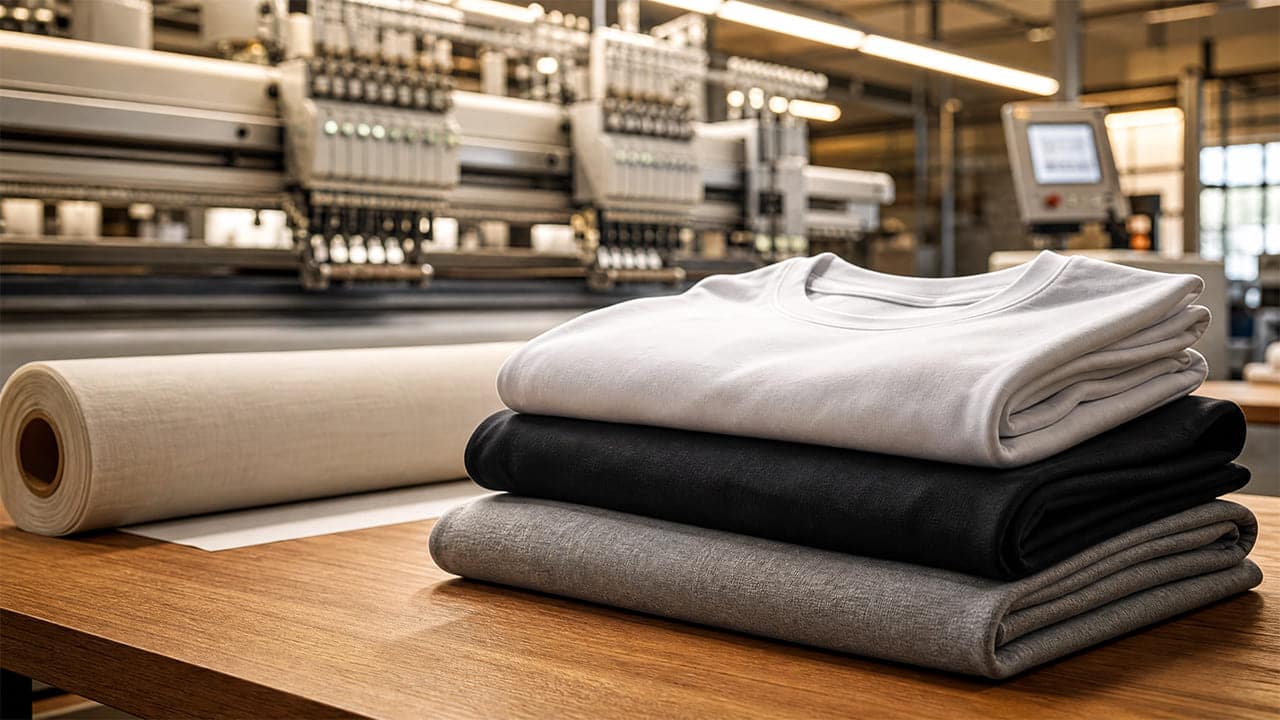

Visit any clothing factory sampling room and you will quickly discover what many brand owners fail to see: two t-shirts made of 100% cotton can feel like two completely different things. One is light and airy like tissue paper, the other dense and built to last. The difference almost always comes down to GSM—grams per square meter—which is the key factor in finding the best gsm for t shirts.
Choosing the wrong GSM doesn't just affect the way a shirt looks and feels on the rack, it affects how customers perceive your brand the moment they open the package. If a cheap 130 GSM tee is sold in premium packaging or a heavy 280 GSM shirt is marketed as a summer staple, the disconnect can damage customer trust and cost your brand repeat business.
I have spent over 15 years working on production floors, going through fabric specs and helping hundreds of brands with their first bulk orders, so I can say with confidence that fabric GSM is one of the most practical skills for any founder to possess. In this guide, we'll break down everything you need to know—from how GSM is measured to picking the best GSM for t shirts for streetwear, gym wear, promotional tees and luxury basics.
What Does GSM Mean in T-Shirt Fabric?
GSM stands for Grams per Square Meter. It's the standard unit used across the global textile industry to measure how much a fabric weighs—and therefore how dense, thick, and substantial it feels.
To understand what does GSM mean in fabric?, picture cutting out a perfect square of fabric measuring exactly one meter by one meter, then placing it on a precision scale. That weight in grams is the GSM. A fabric measuring 180 GSM means that one square meter of it weighs 180 grams.
Why does this matter? Because GSM directly determines:
- Fabric thickness — higher GSM typically means a denser, thicker fabric
- Drape and structure — lightweight fabrics flow; heavyweight fabrics hold their shape
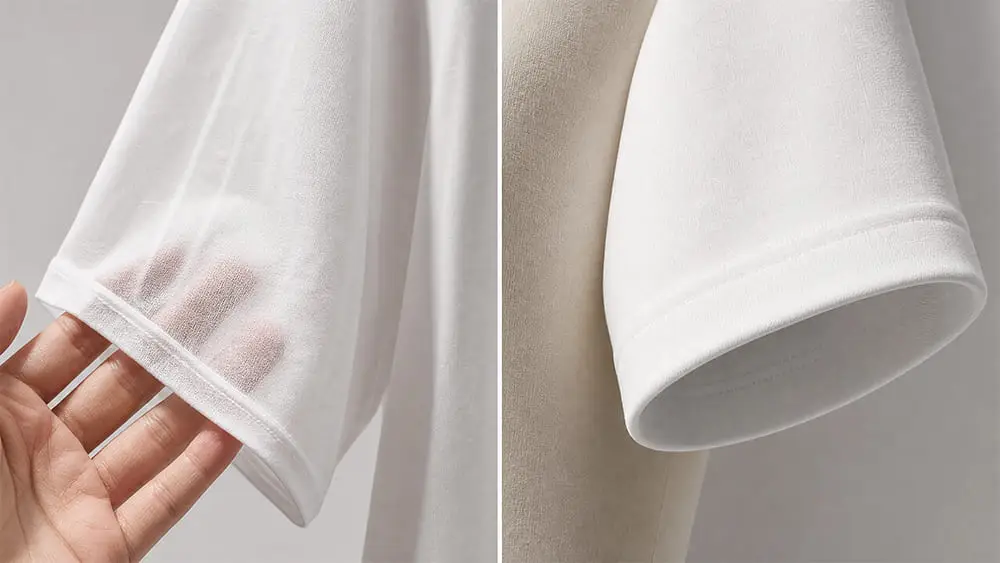
- Opacity—lower GSM fabrics are more likely to be sheer or see-through
- Durability — denser fabrics generally resist pilling, distortion, and wear better
- Breathability — lower GSM fabrics allow more airflow, keeping wearers cooler
- Printing performance — some printing methods require minimum fabric density to anchor ink properly
Quick Definition: GSM (Grams per Square Meter) is the weight measurement of fabric. In t-shirts, it typically ranges from 120 GSM (ultra-light) to 300+ GSM (heavyweight). The higher the GSM, the heavier and denser the fabric.
It's worth noting that GSM isn't the whole story. Fiber type, yarn quality, and knit construction all interact with weight to determine how a fabric ultimately performs. A 200 GSM ring-spun cotton will feel noticeably softer than a 200 GSM open-end spun cotton. But GSM is always the starting point. According to Textile Exchange, cotton remains the world's most widely used natural fiber in apparel—and within cotton t-shirt manufacturing, GSM is the primary quality benchmark across supply chains.
T-Shirt GSM Chart
Here's a practical reference covering the four main fabric weight categories used in t-shirt production:
| GSM Range | Fabric Feel | Durability | Breathability | Common Use Cases | Best Target Market |
|---|---|---|---|---|---|
| 120–150 GSM | Ultra-soft, airy, delicate | Low–Medium | Very High | Promotional tees, summer basics, underlayers | Budget retail, events, activewear |
| 150–180 GSM | Light, smooth, comfortable | Medium | High | Everyday basics, fashion tees, print-on-demand | Mass market, lifestyle brands |
| 180–220 GSM | Balanced, structured, premium | Medium–High | Moderate | Brand basics, retail fashion, custom brand tees | Mid-range to premium brands |
| 220–300+ GSM | Thick, heavy, substantial | High | Lower | Streetwear, oversized tees, luxury basics | Premium streetwear, high-end fashion |
Use this chart as a starting point — not a rulebook. The right GSM for your brand depends on several factors we'll dig into throughout this guide.
Best GSM for T Shirts Lightweight
Lightweight t-shirts typically fall in the 120–160 GSM range. These are the fabrics you'll find in large-format promotional campaigns, athletic wear, and budget fashion basics. They're also popular for layering pieces and summer vacation collections.
The main appeal of a lightweight tee is breathability. The open, airy weave allows heat and moisture to escape quickly, making these fabrics genuinely comfortable in hot climates. For brands targeting summer resort wear or activewear consumers, this weight range makes a lot of sense.
Pros of lightweight t-shirts:
- Excellent breathability and comfort in warm weather
- Lower production cost per unit
- Softer, drapier feel that suits fashion-forward silhouettes
- Less prone to feeling stiff or boxy
Cons of lightweight t-shirts:
- Lower opacity (may require an undershirt)
- Less suitable for detailed screen printing — ink can bleed or look patchy
- Shorter lifespan with heavy washing
- May feel "cheap" to premium-market consumers
In practice, I've seen promotional apparel brands do very well with 150–160 GSM cotton jerseys. The key is managing expectations. If you're giving away 10,000 tees at a trade show, a 150 GSM tee is perfectly respectable. If you're charging $65 for a branded piece, it's not going to hold up.
Best GSM for T Shirts Heavyweight
This is where things get interesting — especially if your brand is operating in the streetwear or premium basics space.
Heavyweight t-shirts generally start at 220 GSM and go up to 280–320 GSM for ultra-premium styles. In the US and European streetwear markets, 240–280 GSM has become something close to a baseline expectation for serious brands. Labels like Fear of God Essentials and Heavyweight Champion have helped shift consumer perception: a thick, structured tee is now a quality signal.
Why has heavyweight cotton taken off in streetwear? A few reasons:
- Structure. A 260 GSM tee holds its shape—especially in oversized silhouettes where lighter fabrics collapse and look sloppy.
- Print quality. Screen printing, especially puff and discharge techniques, performs better on dense fabric.
- Perceived premium value. Consumers equate weight with quality, even if that's not always technically accurate.
- Durability signals. A heavy tee communicates longevity—customers feel they're making an investment.
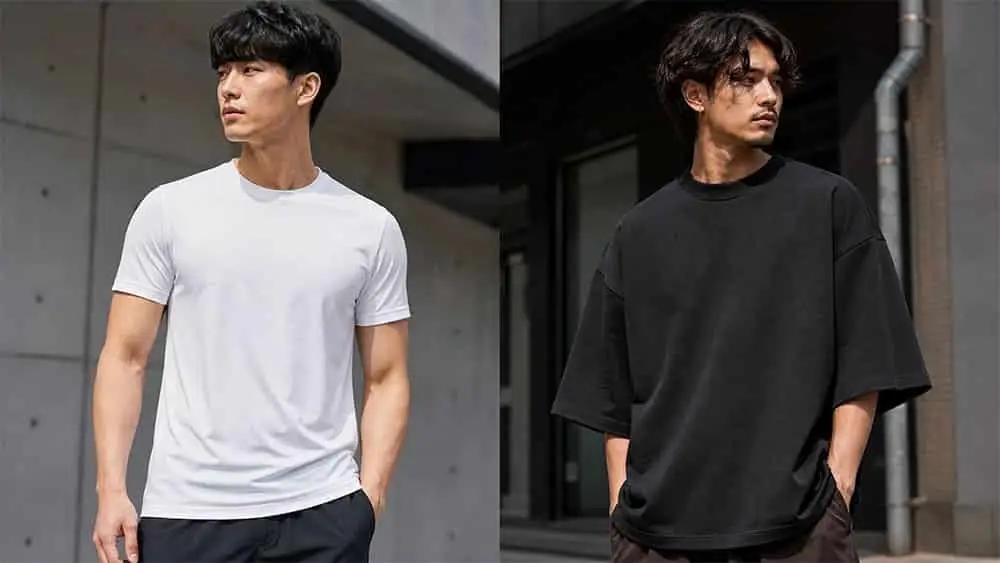
For oversized t-shirt fabric, I almost always recommend starting at 240 GSM minimum. Anything lighter and the drop shoulders and elongated body just lose their structure. At 260–280 GSM, an oversized tee looks intentional and architectural. Below 200 GSM, it can look like someone grabbed the wrong size.
One thing to factor in: heavyweight cotton can shrink significantly if not pre-shrunk. We'll cover that more in the common mistakes section below.
Heavyweight vs Lightweight T-Shirts
Choosing between these two categories isn't just a weighty decision—it affects your entire product strategy.
For a deeper breakdown, our heavyweight vs lightweight t shirts guide covers the full comparison. But here's a practical overview:
| Factor | Lightweight (120–170 GSM) | Heavyweight (220–300+ GSM) |
|---|---|---|
| Comfort | Airy and cool, ideal for heat | Warm and substantial, suits cooler climates |
| Durability | Moderate; wears out faster | High; resists distortion and pilling |
| Fit | Drapier, closer to body | Structured, holds shape in oversized cuts |
| Print performance | Good for DTG; challenging for heavy screen print | Excellent for screen print, embroidery, puff |
| Shrinkage | Lower shrinkage risk (thinner yarns) | Higher shrinkage risk if untreated |
| Cost | Lower per unit | Higher per unit |
| Seasonal use | Spring, summer, tropical climates | Fall, winter, year-round for interiors |
In my experience, most growing brands end up building a range — a lightweight summer drop and a heavyweight staple that runs year-round. That balance gives you both approachability and credibility across different customer segments.
How Custom T-Shirts Manufacturers Choose Fabric Weight
When a brand comes to us with a new collection, the first question we ask isn't "what GSM do you want?" It's: "Who's wearing this, where, and why?"
Here's the decision framework experienced custom t-shirts manufacturers use:
1. Brand positioning
A $30 tee and a $120 tee need to feel different. GSM is one of the primary ways to communicate price-to-value. Premium brands almost always go 200 GSM and above.
2. Target climate and geography
Brands selling into Southeast Asia, the Middle East, or Southern California genuinely need lighter fabrics. A 280 GSM tee in a Bangkok summer is a miserable experience. Conversely, a 140 GSM tee sold as a "cozy staple" in Scandinavia is going to disappoint.
3. Printing method
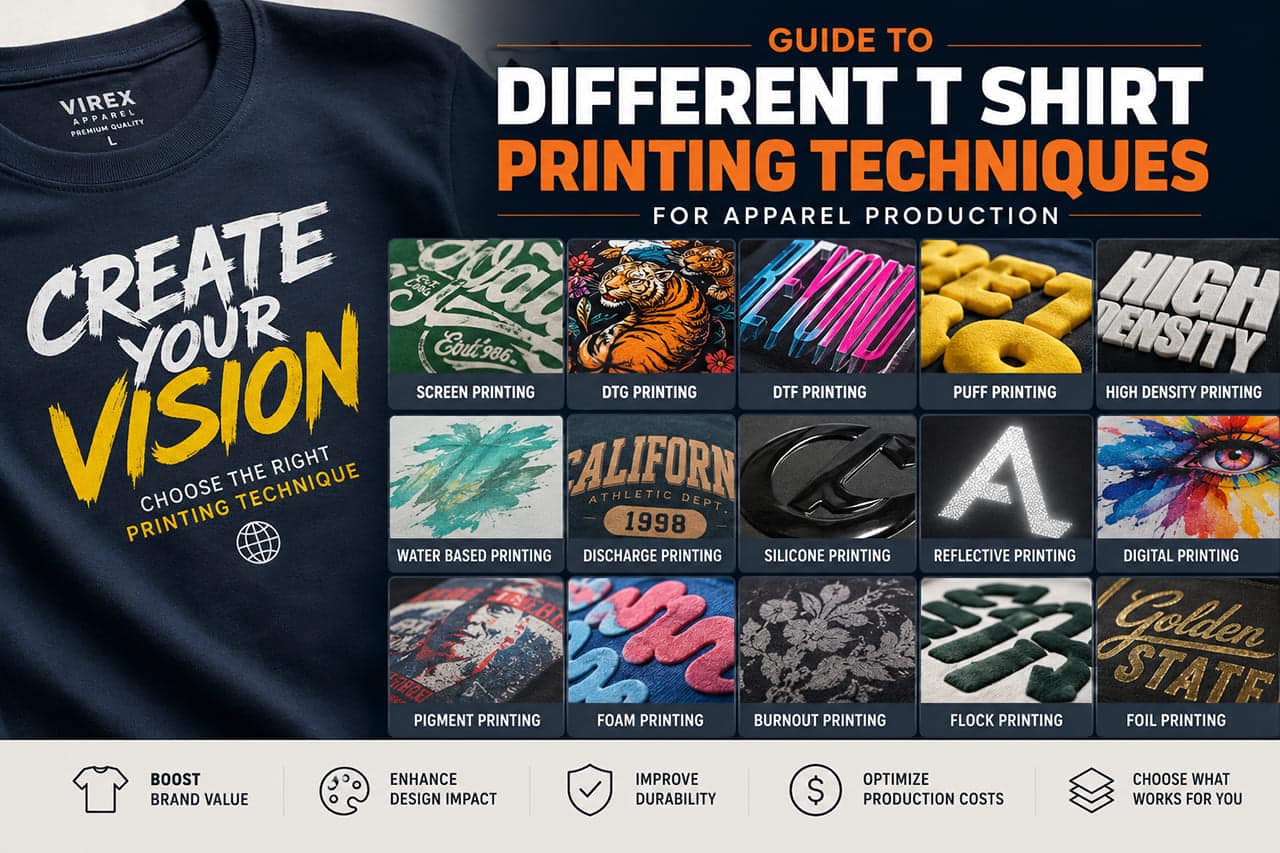
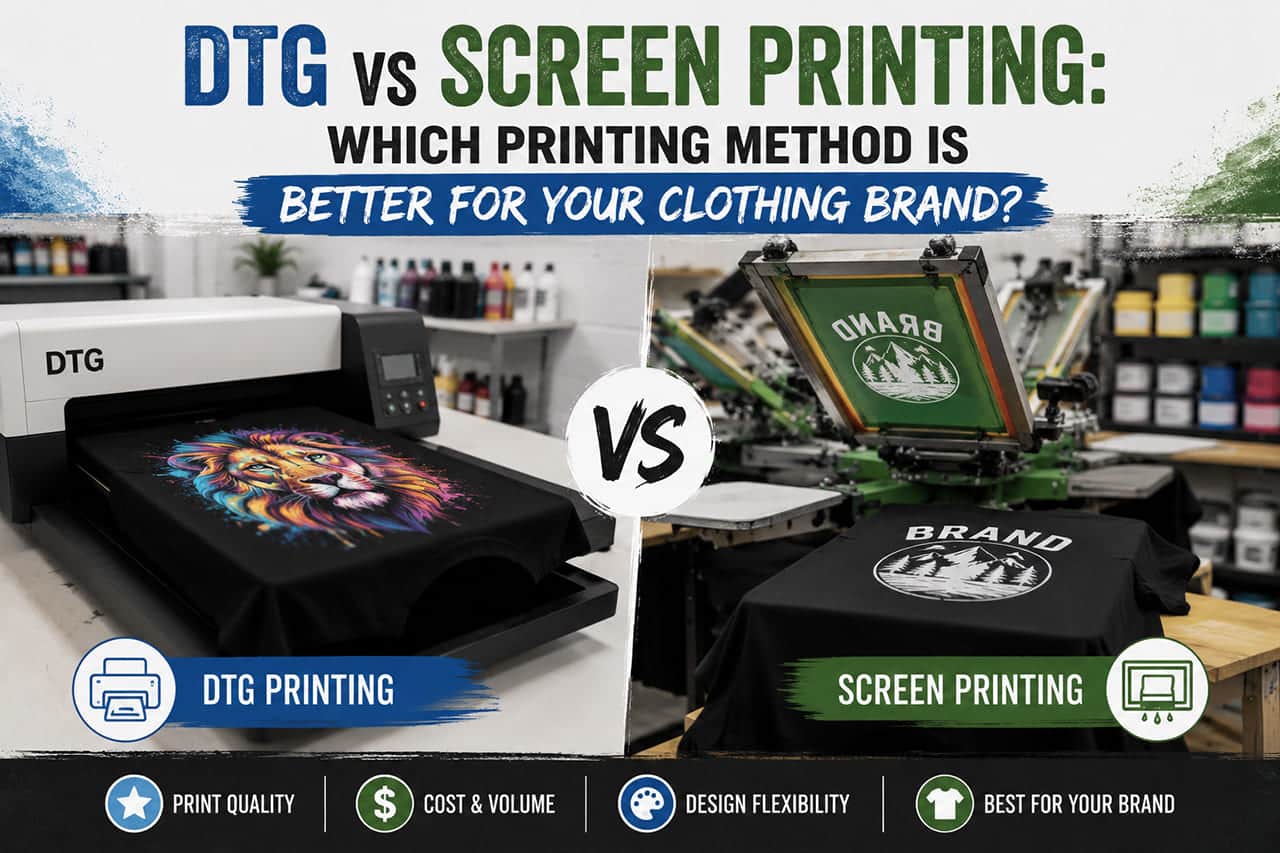
DTG (direct-to-garment) printing works well on 160–220 GSM fabrics. Heavy plastisol screen printing needs 200 GSM minimum for ink adhesion. Discharge printing requires reactive dye-compatible cotton, usually 180 GSM and up.
4. Garment fit and silhouette
Slim-fit tees can work at lower GSMs because the fit provides structure. Oversized, boxy, or drop-shoulder silhouettes demand heavier fabric to hold their shape.
5. Shrinkage pre-treatment
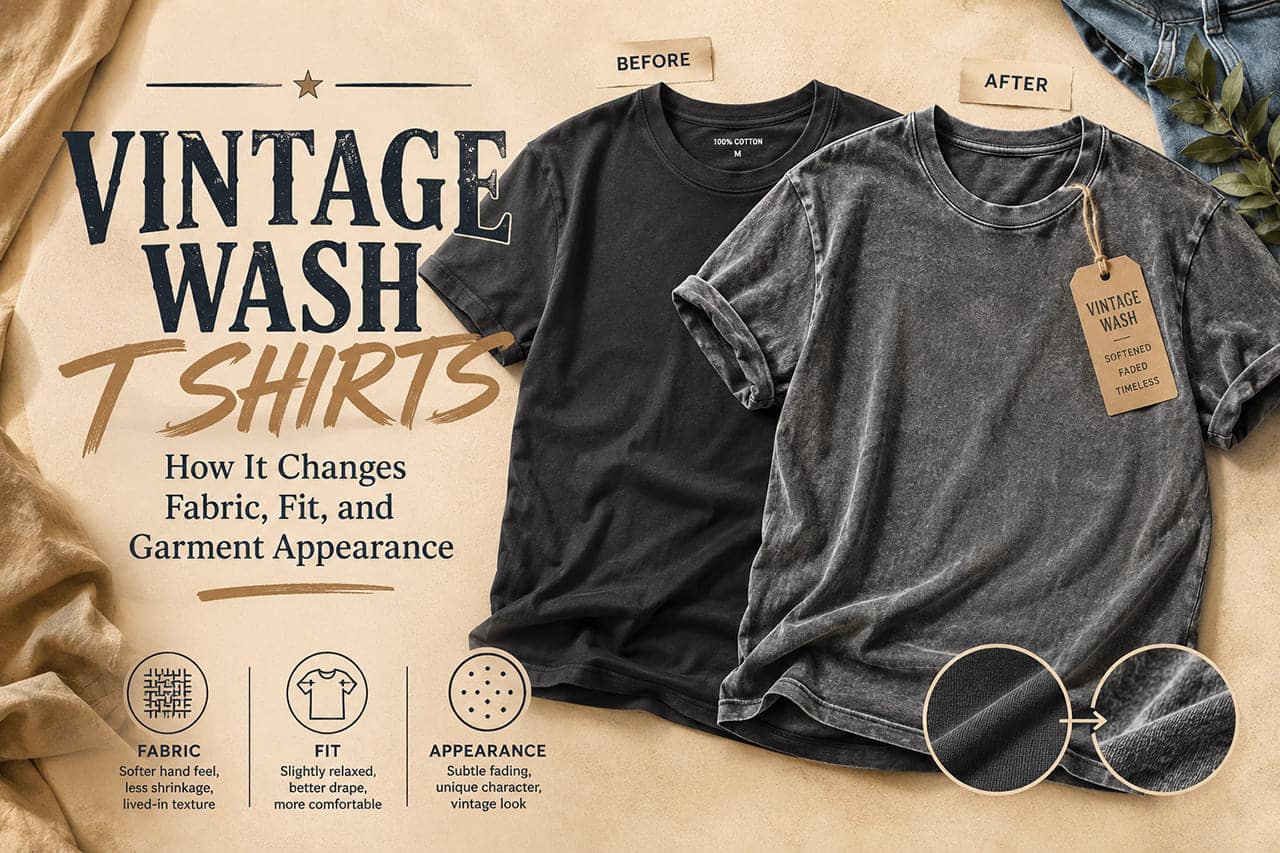
Higher GSM fabrics made with ring-spun cotton tend to shrink more in the first wash if not pre-shrunk. We almost always recommend pre-shrunk fabric (or "washed" fabric) for direct-to-consumer brands. Returned t-shirts because of dramatic size changes are a nightmare no one wants.
6. Production cost vs retail margin
A jump from 180 GSM to 260 GSM can increase fabric costs by 30–50% per unit depending on yarn quality. That needs to be baked into your pricing from the start.
Best GSM for Different Types of T-Shirts
Here's a quick-reference guide based on real production experience:
Fashion basics: 180–220 GSM — balanced feel, suitable for wide retail distribution, works with most print methods.
Streetwear brands: 240–280 GSM — structured, premium feel, ideal for graphic-heavy designs and oversized silhouettes.
Oversized tees: 240–300 GSM — essential for maintaining shape in elongated, boxy silhouettes.
Luxury cotton tees: 200–240 GSM using combed or Pima cotton — softness and weight combined, often marketed as "buttery" or "essential" quality.
Gym wear: 140–180 GSM — lightweight, moisture-wicking friendly, often blended with polyester or modal for stretch.
Promotional t-shirts: 150–180 GSM — cost-effective, good for mass distribution, adequate for simple one-color prints.
Summer collections: 140–170 GSM — breathable, cool, suits lighter silhouettes and seasonal colorways.
Common Mistakes When Choosing T-Shirt GSM
These are the errors I see most often from brands placing their first or second bulk order:
Choosing based only on thickness
GSM correlates with weight, not thickness alone. A 200 GSM slub cotton will feel completely different from a 200 GSM compact-spun jersey. Always request samples and handle them before committing.
Ignoring shrinkage
Heavier GSM fabrics using ring-spun yarn can shrink 5–8% in the first wash if not pre-treated. If you're sizing based on unwashed samples, your customers will receive tees that don't match your size chart. Always wash-test before production sign-off.
Wrong GSM for the printing method
Attempting heavy plastisol prints on 140 GSM fabric is asking for problems — ink bleed, cracking, and poor opacity. Match your GSM to your print method.
Not testing samples before bulk production
I've seen brands skip the sample stage to save time, then receive 5,000 tees that feel nothing like what they expected. The cost of samples is always worth it.
Overlooking fabric composition
100% cotton at 220 GSM behaves differently from a 60/40 cotton-polyester blend at 220 GSM. Blends can reduce shrinkage and add stretch, but affect dye uptake and hand-feel. Know what's in your fabric, not just how much it weighs. The OEKO-TEX Standard 100 certification is worth requesting from suppliers — it verifies that fabrics have been tested for harmful substances, which matters increasingly to end consumers.
Expert Tips for Choosing the Right T-Shirt Fabric
From years of helping brands navigate fabric selection, here's what actually makes a difference:
Request swatches before committing
Always get physical fabric samples and hold them, stretch them, and scrunch them. A number on a spec sheet doesn't tell you how a fabric drapes off the body.
Wash-test your samples
Run them through a hot wash and compare dimensions before and after. Note color fastness, texture change, and any pilling. This is especially important above 220 GSM.
Compare cotton yarn quality
Ring-spun cotton is softer and stronger than open-end spun. Combed cotton removes short fibers for even greater softness. These differences matter significantly at the same GSM level. For a detailed overview of cotton fiber types, CottonWorks™ is an excellent industry resource that covers everything from spinning methods to finished fabric performance.
Check drape and opacity
Hold the fabric up to light. If you can see your hand through it clearly, your customers will see through it too. For a brand-quality tee, you generally want the fabric to block light at the torso level.
Understand fabric GSM meaning before placing bulk orders
Don't delegate this decision entirely to your supplier. Ask specifically: what is the GSM, what is the yarn count, and is the fabric pre-shrunk? These three questions alone will prevent most production headaches.
Work closely with your custom clothing manufacturer
Share your retail price point, target market, and intended printing method. A good factory partner will steer you toward the right specification—not just the easiest one to source.
Conclusion
There's no one "best GSM for t shirts" that works for every clothing brand. The right weight of fabric depends on your market, your aesthetic, your printing method, your climate and your price position. A 150 GSM promo tee and a 280 GSM streetwear staple are both correct in their own context.
The important thing is that this decision be made consciously, with real information, and not by guessing. GSM impacts the way your garment feels, how it ages, how it prints and ultimately how your customers perceive your brand each time they wear it.
The most successful brands I've worked with are the ones who treat fabric selection as seriously as logo design or campaign photography. They test samples, they ask questions, and they partner closely with experienced custom t-shirts manufacturers who understand the production details that brand founders often don't have time to master.
Take the time to get your GSM right from the beginning. Your customers will notice—even if they never know why.