When launching a hoodie brand or a new streetwear collection, one of your most impactful choices is fabric selection. Fabric determines the feel, durability, and perception of your product in the marketplace. For brands aiming for a premium reputation, the material is just as important as the design. That is why so many labels are asking: What is French terry fabric and is it the right fit for my clothing brand?
French terry has emerged as a staple in modern apparel, prized by both luxury streetwear houses and innovative hoodie startups. It offers a rare combination of comfort, structure, and versatility, soft enough for everyday wear, breathable for a range of climates, and sturdy enough for high-quality construction.
This guide covers everything you need to know about French terry fabric from a production perspective: how it is made, why it is popular in streetwear, how it compares to fleece, which GSM ranges suit different hoodie styles, and how to determine if it is the right choice for your brand.
What Is French Terry Fabric?
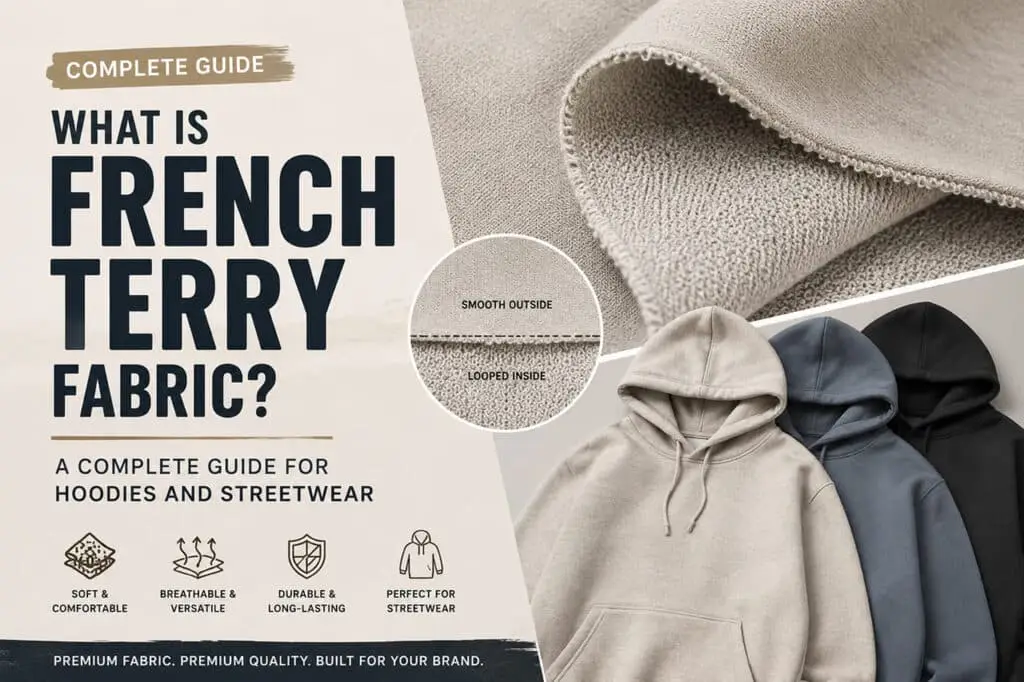
French terry is a knitted fabric recognized for its dual-sided construction. The exterior is smooth and uniform, delivering a refined look and consistent color. The interior is lined with small, soft, uncut loops, giving it a cushioned feel without the dense bulk of fleece.
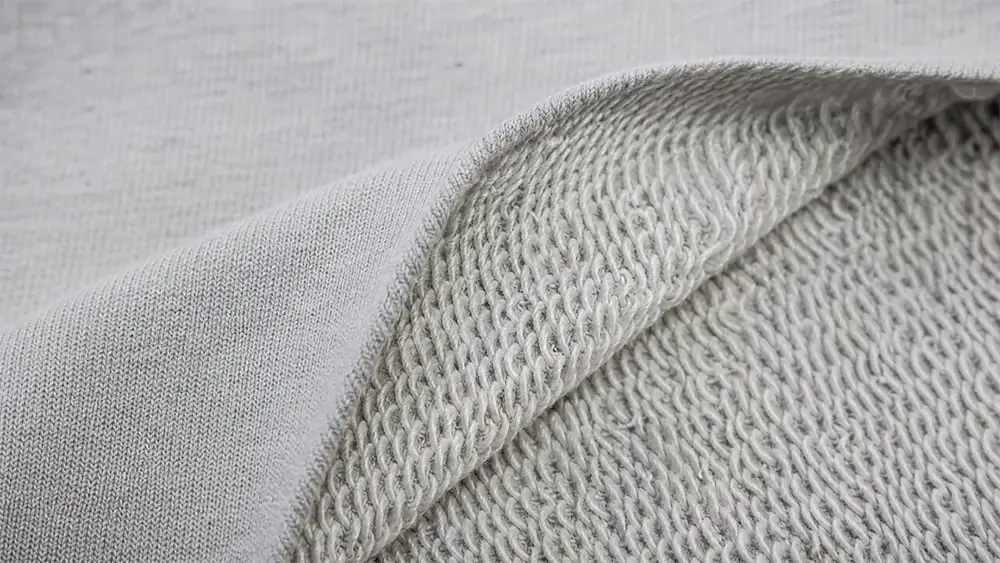
Most often, French terry is made from cotton, sometimes blended with polyester or rayon for added durability or stretch. The loopback design is what sets it apart: rather than brushing or cutting the inside loops, they are left intact, which provides natural stretch, moisture wicking, and a lighter feel compared to traditional fleece.
A common confusion: French Terry vs fleece. While both may appear similar on the outside, fleece is typically heavier, warmer, and has a brushed, fuzzy interior. French terry remains lighter, more breathable, and ideal for all season wear. For a full technical comparison, check out our guide on French Terry vs Fleece.
French terry is widely used in hoodies, sweatshirts, joggers, and pullovers. Its structure and workability make it a favorite for brands seeking garments that feel premium but are not weighed down.
How French Terry Fabric Is Made
Understanding French terry's production sheds light on its quality and performance. The process begins with a circular knitting machine, which forms the smooth face and the looped back in one step. Unlike fabrics that are brushed or sheared, French terry's loops are left uncut.
The most popular option is 100% combed cotton, which undergoes a process to remove short fibers, resulting in a smoother, stronger fabric. Many brands also use cotton/polyester blends (80/20 or 60/40) to improve shape retention and minimize shrinkage, while some add rayon or bamboo for extra softness and moisture control.
Once knitted, French terry typically undergoes the following:
- Sanforizing (pre-shrinking for stability)
- Softening washes or enzyme treatments for texture and finish
- Dyeing at either the fabric or garment stage, depending on the desired color effects
Every stage, from yarn selection to finishing treatments, influences the final garment's appearance, feel, and durability.
Why French Terry Fabric Is Popular in Streetwear
Streetwear is about more than looks, feel and function are just as critical. French terry's tactile feel gives garments an instant impression of quality. It feels more substantial than standard sweatshirt material, with enough weight, softness, and texture to signal a premium product.
Key reasons for its popularity include the following:
- Texture: Instantly reads as high-end to customers
- Breathability: Looped interior allows airflow, making it comfortable across seasons
- Structure: Supports oversized or relaxed silhouettes without losing shape
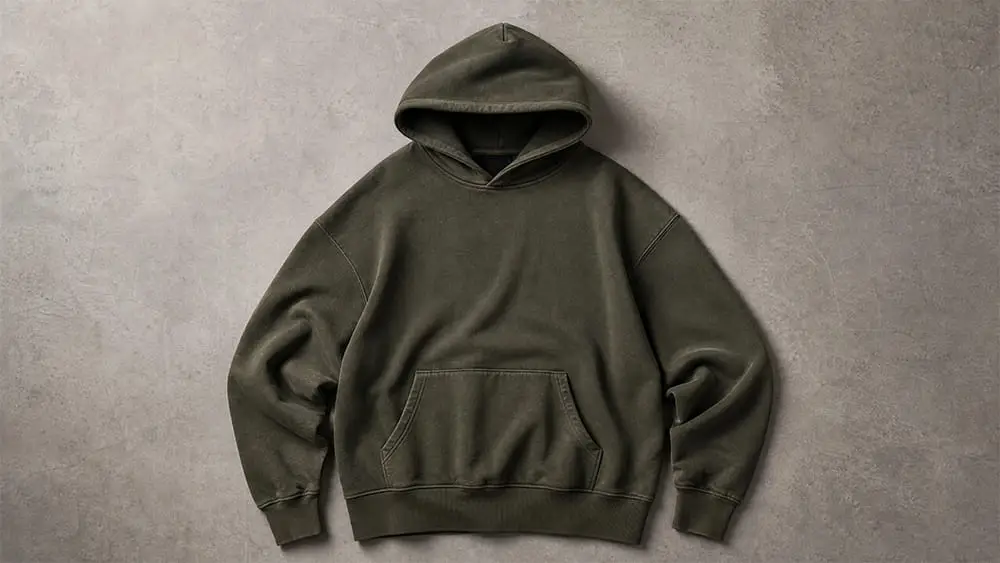
French terry is especially well suited for the oversized hoodie trend. Its body and drape strike a balance, structured but not stiff. Luxury brands often use heavyweight French terry (think 400 GSM) to deliver truly premium feel.
As sustainability becomes increasingly important in fashion, many streetwear brands are also paying closer attention to sustainable textile production and responsible sourcing practices supported by organizations like Textile Exchange.
French Terry vs Fleece: Key Differences
Choosing between French terry and fleece? Here is how they compare:
- Warmth: Fleece is warmer, thanks to its brushed interior, best for cold weather.
- Breathability: French terry allows more airflow, making it suitable for mild climates and layering.
- Softness: Fleece is plush and fuzzy; French terry is smooth and refined.
- Weight/Seasonality: French terry comes in a wider GSM range and works for more seasons; fleece is heavier and designed for winter.
- Streetwear Use: French terry excels in hoodies, crewnecks, and oversized fits, aligning with modern streetwear aesthetics.
Best GSM for French Terry Hoodies
GSM (grams per square meter) measures fabric weight and is a crucial spec for hoodie production. It affects the feel, structure, and perceived quality of your product.
- Lightweight (220 to 280 GSM): Great for layering, transitional pieces, and warmer climates. Flexible and comfortable, but less structured.
- Mid Weight (280 to 340 GSM): The industry standard. Offers structure, printability, and a premium hand feel, ideal for most hoodies.
- Heavyweight (340 to 420 GSM): Used for luxury and oversized designs. Provides density, structure, and a high-end feel. Signature of many top streetwear brands.
Choosing the right GSM is about aligning fabric weight with your desired product positioning and customer expectations. For more, visit our GSM guide.
How Clothing Manufacturers Choose French Terry Fabric
Professional apparel manufacturers do not simply choose any French terry; they rigorously evaluate fabrics to ensure quality and consistency.
- Shrinkage Testing: Swatches are washed repeatedly; acceptable shrinkage is under 5%.
- Softness Evaluation: Both pre and post wash hand feeling are assessed. Fabrics may be enzyme washed for softness.
- Dye Consistency: Checked against lab standards for color accuracy and evenness.
- Fabric Weight Verification: Each roll is weighed, with tolerances typically within plus or minus 5 GSM.
- Wash Testing: Garments are put through multiple wash and dry cycles to check for pilling, colorfastness, and durability.
Many professional clothing manufacturers also follow textile safety standards and sustainability benchmarks established by organizations like OEKO-TEX and Worldly (Higg Index) to improve production transparency and fabric quality control.
This process ensures brands avoid problems like returns or negative reviews caused by poor fabric performance.
Is French Terry Good for Custom Hoodies?
Absolutely, French terry is one of the best fabrics for custom hoodie production. Its smooth outer face is perfect for branding and decoration.
- Embroidery: Holds stitches cleanly and resists distortion.
- Screen Printing: Both plastisol and water-based inks work well, delivering sharp detail and soft prints.
- Puff Printing: Raised, textured prints contrast beautifully against the fabric's surface.
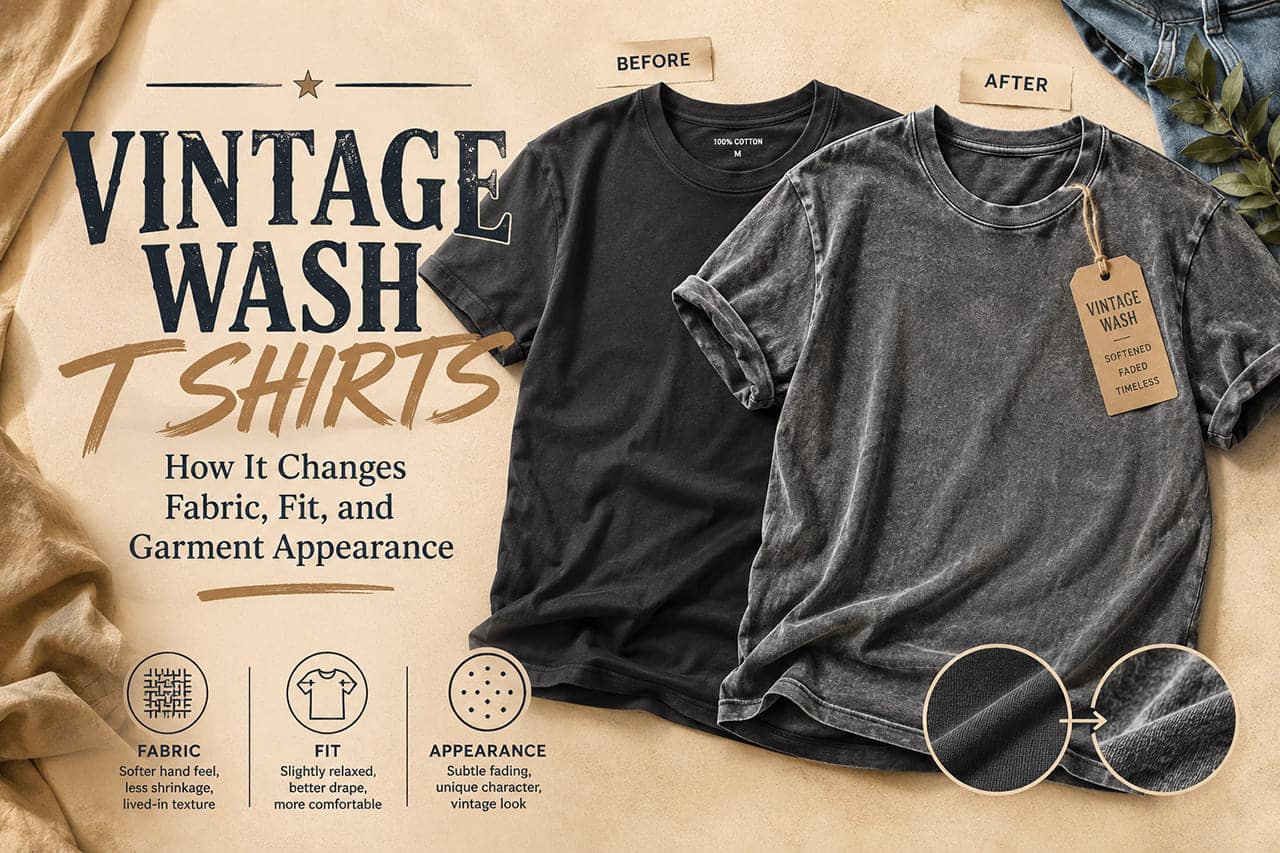
- Garment Dyeing: Post production dyeing creates unique, artisanal looks and enhances the fabric's softness.
For private label brands, French terry provides both technical performance and creative flexibility, elevating your product's perceived quality.
Conclusion
French terry fabric stands out as a foundational material in today's hoodie and streetwear market. Its loopback construction brings together comfort, breathability, and structural integrity, while its smooth face makes it a versatile canvas for custom branding.
When choosing a fabric, focus on:
- Your customer's climate
- Your silhouette and style
- Your desired quality tier
Heavyweight French terry is especially popular with premium brands, competing with much pricier materials.
Never treat fabric selection as an afterthought; the GSM, cotton quality, and finishing methods you choose will define your product's market position. Testing and investing in premium fabric pays off in performance, customer satisfaction, and brand reputation.
If you are building a hoodie line and need expert guidance on fabrics or production, partner with an experienced manufacturer who understands these technical details.
Frequently Asked Questions
What is French terry fabric made of?
Usually 100% combed cotton, but blends with polyester (80/20, 60/40) are also common for durability and shrink resistance. Combed cotton is smoother and stronger, while blends add shape retention.
Is French terry good for hoodies?
Yes, French terry is ideal for hoodies. Its soft, looped interior and smooth exterior create a premium feel for everything from lightweight pullovers to heavyweight oversized styles.
What is the difference between French terry and fleece?
Fleece has a brushed, fuzzy interior for warmth. French terry keeps uncut loops for breathability and a lighter feel, making it more versatile for different climates and styles.
What GSM is best for French terry hoodies?
220 to 280 GSM: Lightweight, great for layering or warm climate 280 to 340 GSM: Mid weight, standard for most hoodies 340 to 420 GSM: Heavyweight, luxury and oversized fits
Can French terry be garment dyed?
Yes, garment dyeing French terry produces beautiful tonal variation and a unique, vintage look. It is a popular finishing technique in premium streetwear production.