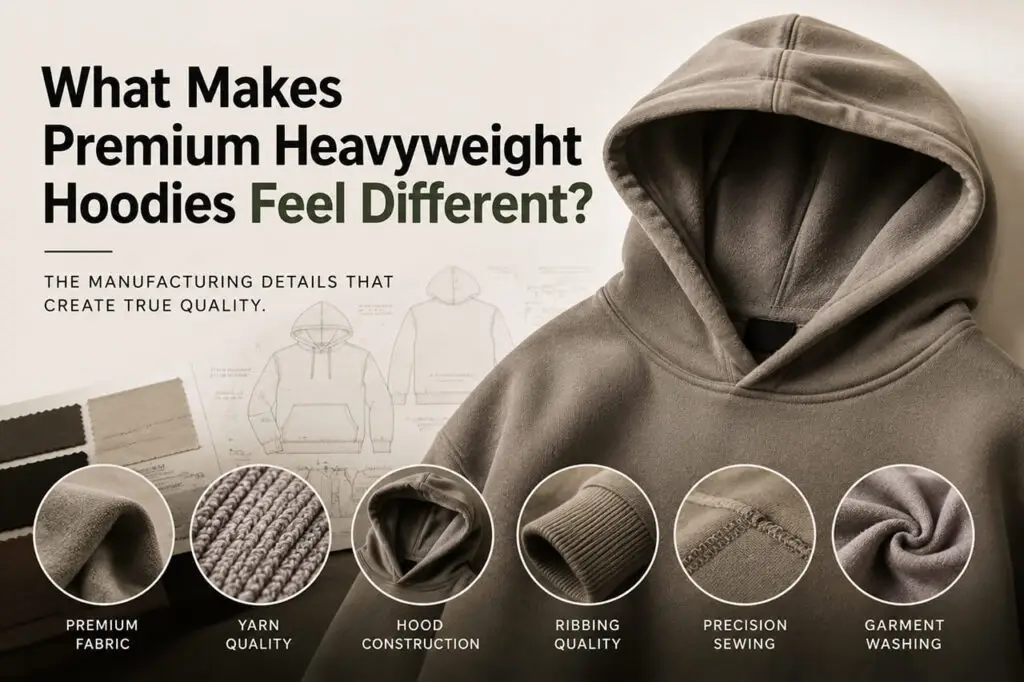
Heavyweight hoodies have become the cornerstone of modern streetwear. Brands are no longer treating them as commodity blanks—they are the statement of construction quality and product development. But what separates a genuinely premium heavyweight hoodie from a heavier version of a cheap one?
The answer is rarely GSM. Fabric weight matters, but the real differences live in fleece structure, yarn quality, hood engineering, ribbing composition, garment washing, and sewing construction. Every one of those variables contributes to how a heavyweight hoodie feels, fits, and holds up over time. Brands that understand this build products with a distinct premium feel. Those that focus on weight alone end up with something that looks the part on a hanger but disappoints in the hand.
Why Fabric Structure Matters More Than GSM Alone
GSM tells you how much a fabric weighs, not how it performs. Two heavyweight hoodies can share identical GSM ratings yet feel entirely different in hand, drape, and durability. The difference comes down to construction.
Dense Fleece vs Loose Fleece
Fabric density is the key variable that GSM misses. A dense fleece packs yarn tightly together, producing a firm, structured face with genuine resilience. A loose fleece reaches the same weight by using thicker yarns more sparsely, which creates a softer initial feel but compromises long-term durability. The dense construction holds its shape wash after wash. The loose one pills, sags, and thins out.
Brushed Fleece and Loopback Fleece
Brushed fleece adds a mechanical napping process that raises fiber ends to the surface, creating that familiar soft interior texture. It feels plush immediately, but aggressive brushing can weaken the base fabric if the underlying knit structure is not tight enough to support it. Loopback fleece takes a different approach, leaving the interior loops intact rather than brushing them out. The result is a heavier, more durable backing that retains loft without sacrificing structural integrity. Most premium heavyweight hoodie manufacturers favor loopback for exactly this reason.
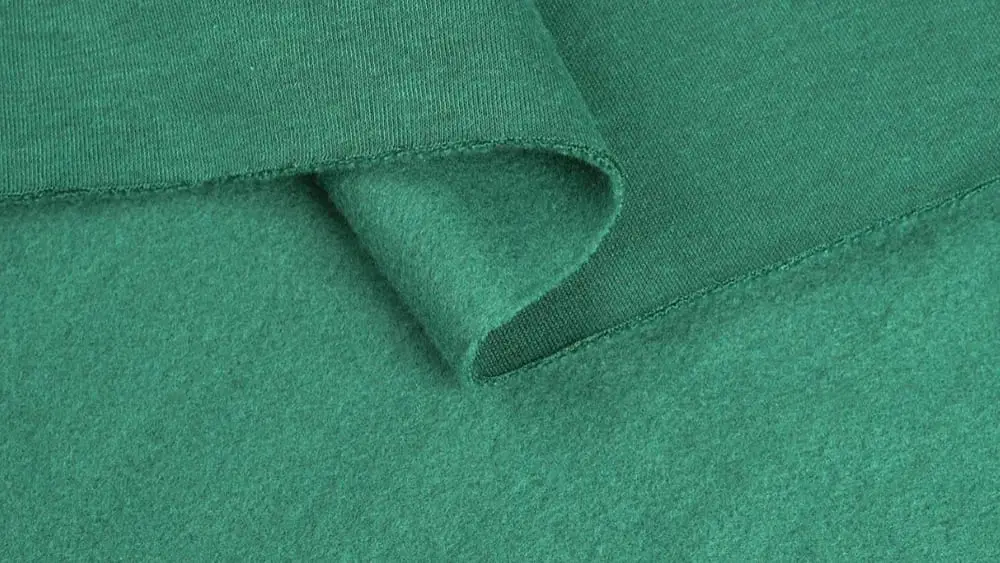
Compact knitting reduces yarn hairiness before the fabric is even formed, tightening the fiber bundle so the finished surface is cleaner and more resistant to pilling. It contributes directly to the premium feel associated with quality heavyweight hoodie fabric.
For deeper comparison of how construction affects performance across different fabric types, the Textile Exchange fiber and material standards offer useful technical context. Additional construction breakdowns are covered in resources like French terry vs fleece and what French terry fabric is, both relevant when evaluating premium heavyweight hoodie options.
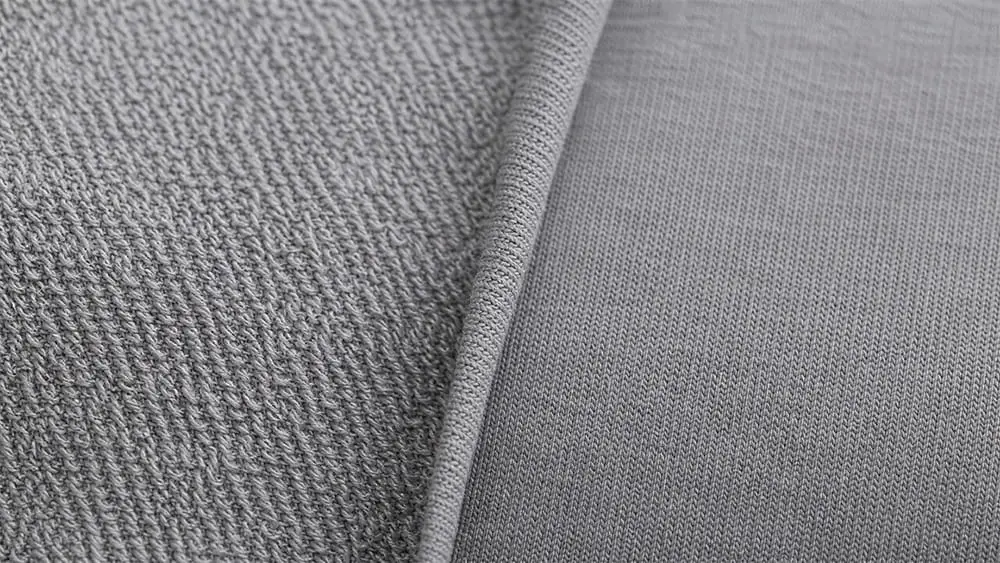
The Role of Yarn Quality in Premium Heavyweight Hoodies
Fabric structure starts at the yarn level. The quality of cotton yarn used in heavyweight hoodie manufacturing determines the surface appearance, structural stability, and long-term durability of the finished garment before a single stitch is sewn.
Yarn count refers to the fineness of the yarn. Higher count yarns are thinner, smoother, and produce a tighter, more refined knit surface. Lower count yarns are coarser and create a rougher face that shows wear more quickly. For a premium heavyweight hoodie, yarn count is not just a technical specification—it is directly visible in the finished product.
Compact yarns go a step further. The compacting process removes short fiber ends and aligns the fibers tightly before spinning. The result is a yarn with significantly less hairiness, which translates to a cleaner fabric surface, reduced pilling, and a more consistent appearance after repeated washing. This is a meaningful difference from standard ring-spun yarns, which have more exposed fiber ends and a looser bundle structure.
Lower quality yarns introduce problems that compound over time. Rougher surface texture, inconsistent twist levels, and weak fiber cohesion all contribute to pilling, distortion, and a general degradation of the garment. Premium heavyweight hoodie manufacturing depends on sourcing yarn that performs consistently across the full production run, not just in sampling.
The Cotton Incorporated fiber quality standards provide detailed technical guidance on how yarn quality metrics affect finished fabric performance—a useful reference for brands specifying materials at the development stage.
Why Hood Construction Changes the Entire Garment
The hood is the most structurally complex component of a hoodie. It is also where manufacturing shortcuts are most visible in the finished product.
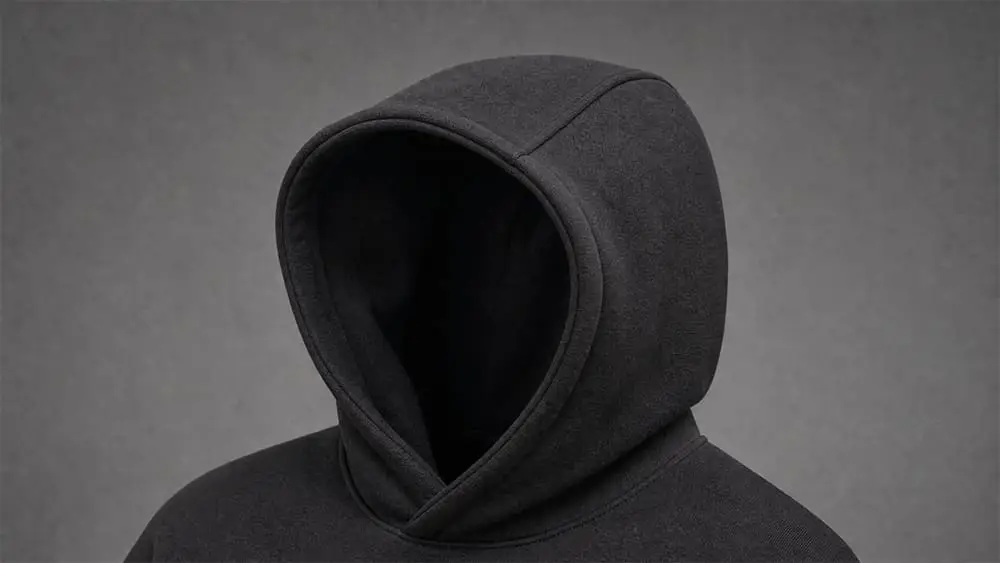
Cheap hoodies typically use a single-layer hood cut from the same fabric as the body, with minimal attention to panel shaping. The result is a hood that collapses flat, sits awkwardly on the shoulders, and loses its shape after washing. It drapes poorly and pulls the neckline forward, throwing off the entire fit of the garment.
Double-Layer Structure and Panel Engineering
Premium hood construction starts with a double-layer structure. Two panels of fabric are sewn together, creating volume, structure, and a finished inner edge that lies cleanly against the wearer. The weight of the double layer also helps the hood sit naturally on the head and drape evenly at the back.
Panel engineering matters significantly here. A well-drafted hood pattern accounts for the three-dimensional curve of the head, the neckline drop, and the relationship between hood volume and shoulder width. Without that engineering, the hood either sits too high, pulls too far back, or distorts the neckline. Getting this right requires pattern development work, not just a standard block.
Neckline balance is another underrated factor. The seam where the hood attaches to the body needs the correct tension and stitching density to prevent stretching during wear and washing. Shoulder reinforcement at this junction improves structural longevity and maintains the silhouette that defines a premium streetwear hoodie.
How Ribbing Affects Fit Retention and Garment Quality
Ribbing is functional, not decorative. The cuffs and waistband of a heavyweight hoodie experience more mechanical stress than almost any other part of the garment, and the ribbing composition determines how well the garment holds its shape over time.
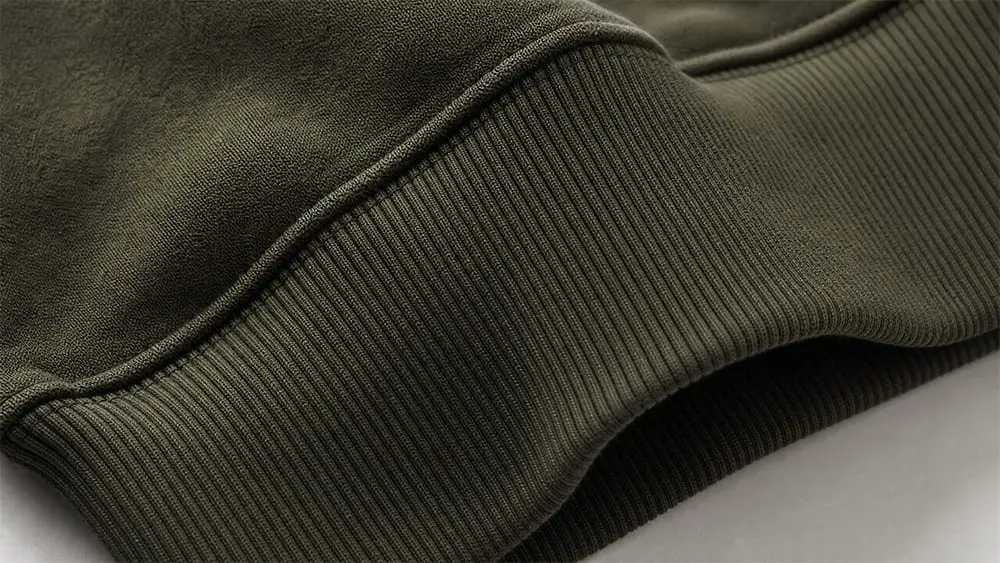
Standard ribbing uses a 1x1 or 2x2 rib structure. The quality depends on yarn content, knit tension, and fiber recovery characteristics. In cheaper heavyweight hoodies, the ribbing is often knitted loosely from lower-grade yarn, which means it loses elasticity quickly. Cuffs go limp. The waistband relaxes and no longer sits at the right position on the body. The overall silhouette of the garment deteriorates.
Premium ribbing for heavyweight hoodies typically incorporates a higher elastane content alongside the cotton, with tighter knit tension and stronger yarn twist. Stretch recovery stays consistent across hundreds of wear and wash cycles. The cuff snaps back. The waistband retains tension.
Fit Engineering for Oversized Silhouettes
For oversized heavyweight hoodies specifically, waistband construction requires additional consideration. A relaxed silhouette depends on the waistband providing a clean visual anchor at the hem without pulling or bunching. If the rib is too tight relative to the body width, it distorts the drop. If it is too loose, the hem flares unevenly. Getting that balance right is part of fit engineering for oversized hoodie production.
Across all heavyweight hoodies, consistent rib quality contributes directly to how long the garment looks good in active use — not just on the first wear.
Garment Washing and Heavyweight Hoodie Finishing
Raw fabric and cut-and-sewn construction are only part of the process. Garment washing is where the texture, softness, and final drape of a heavyweight hoodie are developed, and it is a step that requires precision to execute consistently at production scale.
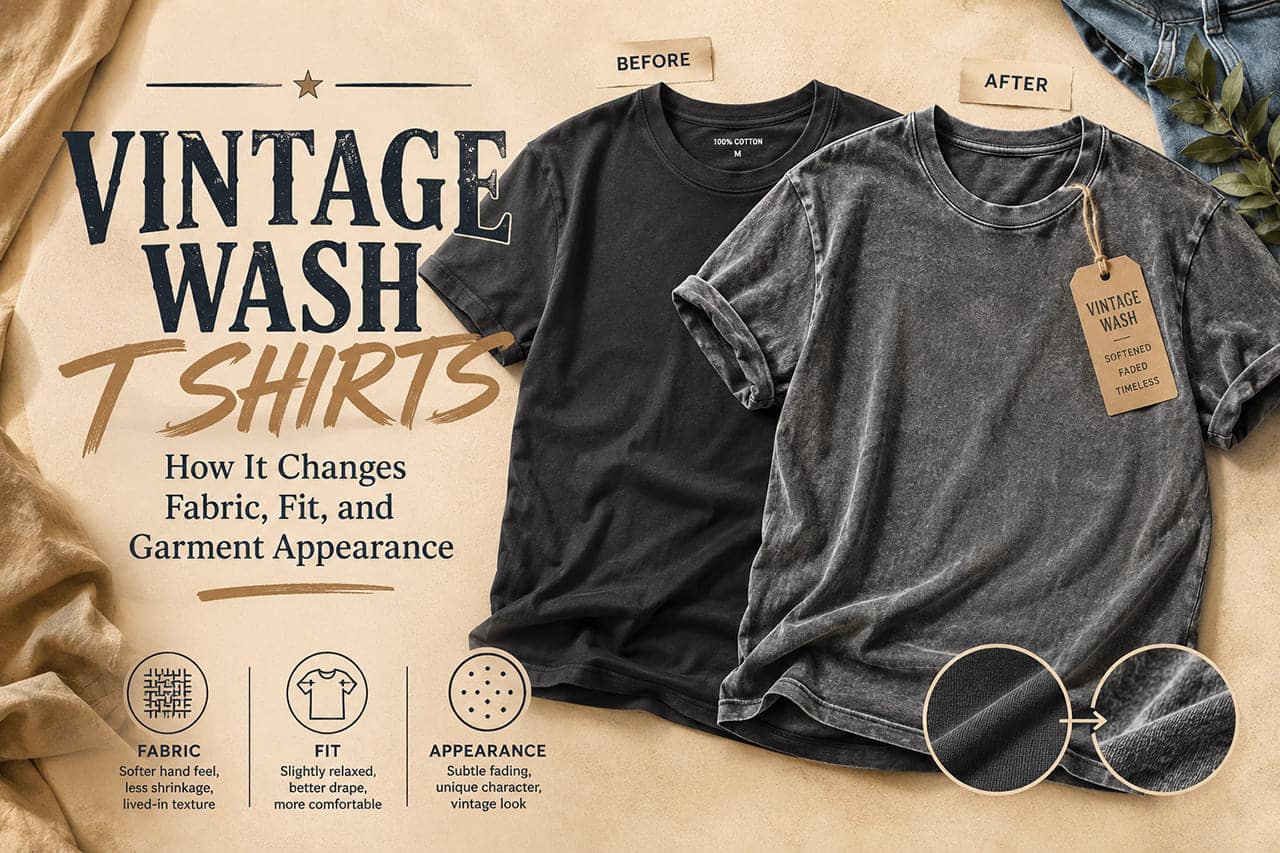
Enzyme washing uses biological agents to break down surface fibers and create a softer hand feel. For heavyweight fleece, this process also helps reduce stiffness and gives the fabric a more lived-in drape without significantly altering the structure. The key variable is wash time and enzyme concentration—too aggressive and the fabric loses integrity; too mild and the result is inconsistent across a production run.
Silicone washing adds a softening agent that coats the fiber surface, creating a smoother, more supple feel. It is commonly used in premium heavyweight hoodie production to achieve that immediately soft hand that differentiates a quality product on first touch.
Shrinkage Control at Production Scale
Shrinkage control is one of the most technically demanding aspects of garment washing. Heavyweight fabric holds more moisture than lightweight alternatives, and differential shrinkage between the body, ribbing, and hood panels creates fit distortion if not managed correctly. Pre-washing the fabric before cutting, combined with controlled garment washing parameters, reduces post-production shrinkage to acceptable tolerances.
Wash consistency matters as much as wash quality. A batch of heavyweight hoodies that exits finishing with varying levels of softness or shrinkage creates size and fit inconsistencies across the production run. That inconsistency undermines brand quality perception regardless of how well the individual garments are constructed.
Why Heavyweight Hoodies Require Different Sewing Construction
Heavyweight fabric does not behave the same as midweight or lightweight materials under a sewing machine. The increased thickness and density create feed issues, tension imbalances, and seam distortion if the sewing construction is not adapted accordingly.
Needle size and thread weight need to be matched to the fabric. Using standard settings on heavyweight fleece produces skipped stitches, uneven seam tension, and needle drag that weakens the fabric around the stitch line. Correct setup for heavyweight hoodie manufacturing requires heavier thread, appropriately gauged needles, and adjusted presser foot tension to feed the material evenly.
Seam durability in heavyweight construction depends on stitch density. More stitches per inch increase seam strength but also require more precise tension control to avoid puckering on a thick fabric stack. Side seams, shoulder seams, and the hood attachment seam all carry significant stress and need reinforcement, either through stitch type selection or additional stitching passes.
Panel alignment is harder to maintain with heavier fabrics. Slight shifts during feeding cause mismatched panels, uneven hems, and asymmetric construction that is difficult to correct without reopening seams. Experienced operators working with proper machinery and guides are essential for premium hoodie construction to maintain alignment consistently across a production run.
Neck construction is a particular challenge. The combination of the hood seam, neckline tape, and body fabric creates a thick junction that needs clean, flat stitching to sit properly. Bulk at the neckline is a common quality failure in heavyweight hoodies produced without the right construction approach.
Quality Control in Premium Heavyweight Hoodie Production
Quality control for heavyweight hoodies is more demanding than for lightweight garments. The fabric weight amplifies small construction errors, and defects that might be negligible in a lighter product become visible and structural in a heavyweight context.
Shrinkage testing should be conducted at the fabric stage and repeated on finished garments before bulk production approval. Heavyweight fleece has a larger shrinkage margin than lighter materials, and variations in yarn content or wash parameters can push finished dimensions outside acceptable tolerances. A systematic testing protocol catches these deviations before they affect a full production run.
Seam inspection needs to verify both thread tension and stitch consistency along every structural seam. Loose or skipped stitches in shoulder, side, and hood seams create failure points that appear quickly under normal wear conditions.
Hood symmetry is a reliable indicator of overall pattern and sewing quality. An asymmetric hood signals either a pattern drafting error or inconsistent sewing construction. Either way, it affects the silhouette and reflects poorly on the finished product.
Common Production Failures to Watch For
The most frequent quality issues in heavyweight hoodie production include twisting body panels caused by off-grain fabric cutting, neckline stretching from incorrect stitch tension at the hood junction, inconsistent garment washing that produces variation in hand feel and sizing across a run, and rib tension imbalances that cause waistband or cuff distortion.
Each of these problems is preventable with the right manufacturing infrastructure and inspection process. But they require dedicated attention to heavyweight-specific failure modes rather than applying quality control protocols designed for lighter garments.
Why Premium Heavyweight Hoodies Feel Different from Cheap Hoodies
The difference is cumulative. No single element creates the premium feel of a well-made heavyweight hoodie—it is the result of every variable being managed correctly from fabric development through to finishing.
Dense, compact fleece construction gives the fabric a structured weight and surface stability that loose fleece cannot replicate. High-quality yarn produces a cleaner face, resists pilling, and maintains its appearance after washing. A properly engineered double-layer hood creates volume and balance that a single-layer hood cannot achieve. Premium ribbing holds its recovery and keeps the garment silhouette intact over time. Correct sewing construction for heavyweight fabric produces seams that are flat, strong, and consistent. Controlled garment washing develops softness and drape without sacrificing structural integrity.
A cheap hoodie may share the same GSM as a premium product, but it cuts corners at most of these stages. The fabric may weigh the same but feel hollow. The hood may have the right proportions on paper but collapse in wear. The ribbing may look correct initially but lose its tension after a few washes. The seams may hold in straight-line stress testing but fail at the points of real wear.
For a detailed breakdown of how fabric selection affects these outcomes, this guide to the best fabrics for hoodies covers the material choices that underpin premium construction.
Premium heavyweight hoodies are the result of complete product development. They require specification decisions at every stage, not just a higher GSM number on the fabric order.
Conclusion
Developing a premium heavyweight hoodie requires manufacturing expertise across fabric selection, yarn quality, garment construction, finishing, and quality control. Thickness alone does not produce quality. Construction does.
Brands entering the heavyweight hoodie market face a clear choice between sourcing a heavier blank and developing a genuinely premium product. The former is straightforward. The latter requires an experienced manufacturing partner with the technical knowledge to manage every variable from fleece structure to final wash.
For clothing brands building custom heavyweight hoodies with premium positioning, working with a manufacturer that understands these details is not optional — it is the foundation of a product that performs as well as it presents. The construction details covered in this article are not finishing touches. They are the difference between a hoodie that builds brand equity and one that undermines it.
FAQs
Q: What GSM is considered premium for heavyweight hoodies?
A: Most premium heavyweight hoodies use fabric between 380 GSM and 500 GSM, but fabric density, fleece structure, and yarn quality are just as important as weight alone.
Q: Why do premium heavyweight hoodies feel more structured?
A: Premium heavyweight hoodies use denser fleece construction, better ribbing, reinforced sewing, and more balanced hood pattern engineering, which helps the garment maintain its shape over time.
Q: What fabrics are commonly used in premium heavyweight hoodies?
A: High-quality heavyweight hoodies are commonly made from brushed fleece, cotton rich fleece, or compact knit fabrics that provide durability, softness, and a more substantial hand feel.
Q: Why is garment washing important in heavyweight hoodie manufacturing?
A: Garment washing helps control shrinkage, improve softness, stabilize fabric behavior, and create the premium texture and drape often associated with modern streetwear hoodies.