
Selecting the best fabric for hoodies is one of the most crucial choices clothing brands make during product development. The right material impacts comfort, durability, fit, and overall customer satisfaction—factors that decide whether a hoodie becomes a wardrobe staple or ends up forgotten in the closet. For emerging streetwear brands, custom clothing startups, and established private label manufacturers, fabric selection can make or break a collection.
Premium brands scrutinize hoodie fabric not only for tactile comfort but also for long-term performance and brand perception. The best material for hoodies directly influences how a customer feels about a product from the first touch to years down the line. In the streetwear world, where the bar for quality is constantly rising, the right hoodie fabric is a powerful tool for brand elevation and differentiation.
Why Hoodie Fabric Matters More Than Most Brands Think
The fabric you choose does more than just cover the body—it shapes the entire brand experience.
- First Impression & Hand Feel: The initial touch of a hoodie tells customers everything about your brand's standards. Softness, density, and finish all contribute to that crucial first impression.
- Durability & Long-Term Wear: High-quality materials withstand frequent washing, resist pilling, and maintain shape. This longevity builds customer trust and reduces return rates.
- Structure & Drape: The right fabric supports your intended silhouette—whether you're designing tailored fits or relaxed, oversized hoodies.
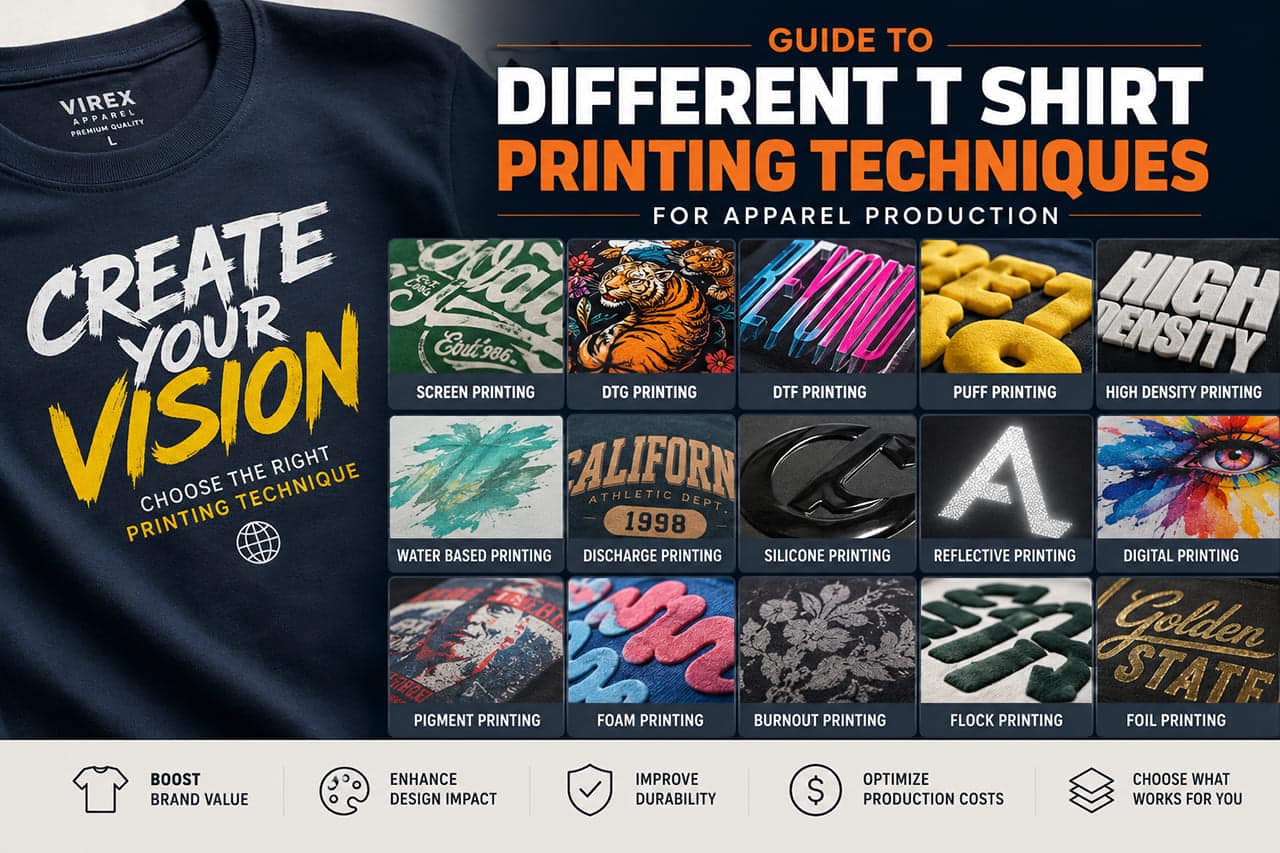
- Print & Embroidery Compatibility: Some fabrics, like tightly woven French Terry or fleece, provide better surfaces for screen printing, embroidery, or specialty inks, ensuring your designs look sharp and last longer.
- Pricing & Brand Positioning: Fabric choice directly affects production costs, MSRP, and where your brand sits in the market—from value basics to premium hoodie fabric for luxury streetwear.
As a custom hoodie manufacturer, I've seen firsthand how fabric selection influences not just product quality but also brand perception and profitability.
Most Common Fabrics Used for Hoodies
When sourcing hoodie fabric, you'll encounter several reliable materials. Here's a breakdown of the most popular options and their unique pros and cons:
- Cotton: Renowned for softness and breathability. Delivers a natural, comfortable feel but can shrink if not properly processed.
- French Terry: Loopback knit with superior moisture-wicking, ideal for lightweight and midweight hoodies. Learn more about What is French Terry fabric for deeper insights.
- Fleece: Brushed interior for warmth and plushness. Great for cold weather but can feel bulky in warmer climates.
- Cotton-Polyester Blends: Enhance durability, reduce shrinkage, and improve shape retention. Often more affordable, though sometimes with less natural softness.
- Heavyweight Fabrics: Offer a substantial, premium hand-feel popular in luxury and oversized hoodie trends. Excellent for structure and durability.
- Performance Fabrics: Engineered blends with spandex or technical fibers for stretch, moisture management, and athletic applications.
Each hoodie fabric brings unique attributes to the table, so the best material for hoodies depends on your brand's priorities and customer expectations.
Cotton Hoodies: Softness and Breathability
Cotton hoodies remain a staple in the apparel industry for good reason. Cotton is valued for:
- Natural Comfort: Hypoallergenic and gentle against the skin.
- Breathability: Allows air circulation, making it perfect for everyday wear.
- Softness: Especially with premium options like combed cotton and ring-spun cotton.
- Wearability: Suitable for all seasons, particularly when blended with other fibers.
- Shrinkage Considerations: Unprocessed cotton can shrink, so look for preshrunk or blended options for consistency.
- Premium Options: Organic cotton delivers sustainability and luxury appeal for eco-conscious brands.
For in-depth cotton properties and certifications, refer to Cotton Incorporated, a leading authority on cotton fabric science.
French Terry vs Fleece Hoodies
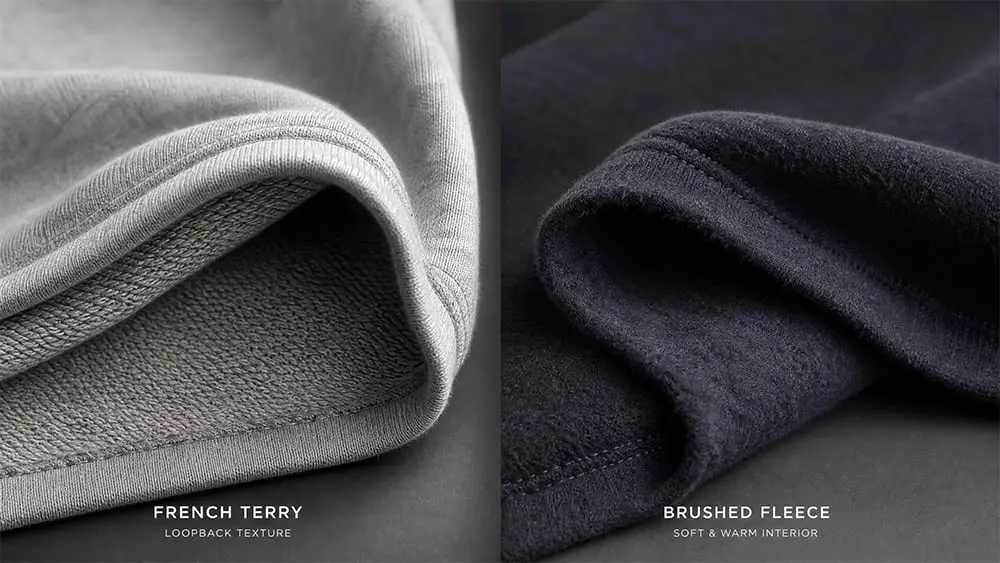
Choosing between French Terry and fleece hoodies is a frequent decision for streetwear brands:
- Warmth: Fleece, with its brushed interior, provides superior insulation—ideal for fall and winter.
- Breathability: French Terry's loopback texture enhances moisture-wicking and ventilation, which is great for active or transitional wear.
- Softness: Both are soft, but fleece has a plush, cozy feel, while French Terry offers a smooth yet substantial hand.
- Structure: French Terry holds its shape better, making it the top pick for oversized hoodies.
- Weight: Fleece tends to be heavier, while French Terry is available in a range of weights.
- Seasonal Suitability: Fleece excels in cold weather; French Terry is more versatile, adapting to multiple climates and layering needs.
For a full exploration of the French Terry vs fleece debate and the difference between French Terry and fleece, see this resource.
Understanding Hoodie Fabric Weight and GSM
GSM (grams per square meter) is the standard measure of fabric weight and a critical detail in hoodie manufacturing:
- Lightweight Hoodies (180-250 GSM): Ideal for layering, spring/summer drops, or athletic wear.
- Midweight Hoodies (250-350 GSM): The industry standard, balancing comfort and structure.
- Heavyweight Hoodies (350+ GSM): Preferred for premium, luxury, and oversized hoodie production. Deliver a dense hand-feel and robust durability.
GSM affects:
- Thickness: Heavier GSM = thicker fabric.
- Durability: Higher GSM withstands more wear.
- Structure: Weightier fabrics drape better and keep their shape, crucial for modern streetwear silhouettes.
- Comfort: Balance warmth with breathability for your target climate and audience.
For a deeper dive into what GSM means in fabric, this guide is highly recommended.
Best Fabric for Streetwear Hoodies
Modern streetwear brands have set new standards for hoodie construction, favoring the following:
- Oversized Hoodie Trends: Require heavyweight, structured fabrics like 100% cotton or heavy French Terry.
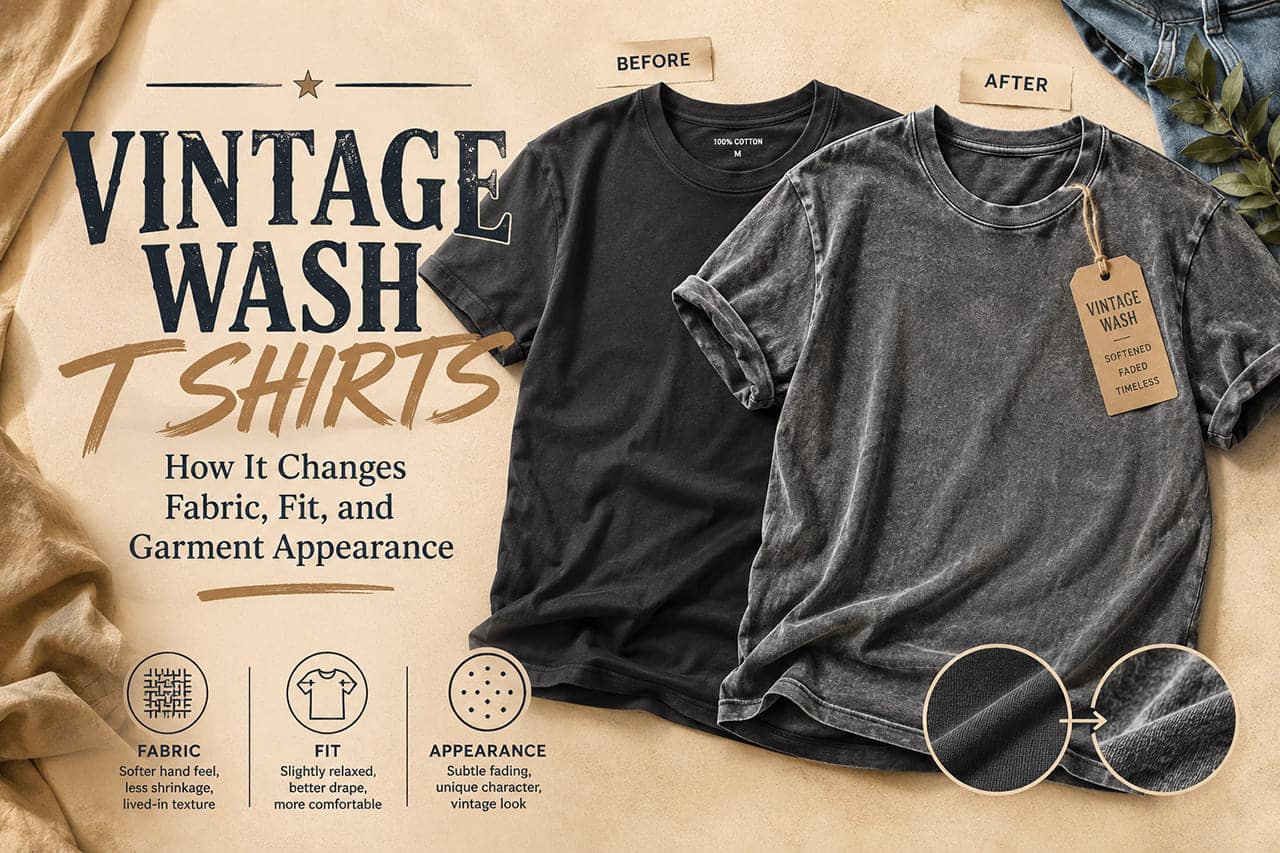
- Luxury Streetwear: Prioritizes custom-milled, garment-dyed, or vintage-wash hoodies for a unique, premium finish.
- Heavyweight Cotton Hoodies: 400+ GSM, dense yet soft, with a rich, tactile appeal.
- Garment Dyed & Vintage Wash: Enhance color depth and create a unique, lived-in look.
- Premium Blanks: Used as the canvas for high-end branding, embroidery, and screen prints.
Heavyweight French Terry has become the gold standard in premium streetwear hoodie manufacturing, combining structure, hand feel, and versatility. For more details on French Terry vs fleece hoodies and the best hoodie fabric for streetwear, see this resource.
How Clothing Manufacturers Test Hoodie Fabric Quality
As an experienced custom hoodie manufacturer, fabric testing is non-negotiable for consistent quality:
- Shrinkage Testing: Ensures finished hoodies maintain size and fit after washing.
- Wash Testing: Simulates multiple laundering cycles to check for colorfastness and surface wear.
- Pilling Resistance: Tests how well the fabric resists unsightly fuzz balls over time.
- Softness Testing: Subjective and objective methods to guarantee a premium hand-feel.
- Colorfastness: Ensures dyes won't bleed or fade, even after repeated washes.
- Stitching Compatibility: Validates fabric behavior during assembly, especially for specialty seams and finishes.
Leading brands also source OEKO TEX certified fabrics to guarantee textile safety standards for both consumers and the environment.
How to Choose the Best Hoodie Fabric for Your Brand
Selecting the best fabric for hoodies depends on several factors unique to your brand:
- Target Audience: Active lifestyles may require performance blends, while luxury markets expect heavyweight cotton or French Terry.
- Climate: Warmer regions favor lightweight and breathable fabrics; colder climates need heavier, insulating options.
- Price Point: Premium materials command higher costs but justify a luxury price tag.
- Brand Positioning: Decide if you want to be known for basics, sustainability, or high-end exclusivity.
- Fit and Silhouette: Oversized and structured fits benefit from heavyweight, dense knits; slim or tailored fits may call for lighter blends.
There is no single perfect material—only the right fabric for your goals and brand vision. Work with your manufacturer to prototype, test, and refine your hoodie fabrics before full production.
Conclusion
In the world of hoodies, fabric selection is everything. The right material shapes comfort, durability, and how customers perceive your brand. Prioritizing premium fabric not only ensures customer satisfaction but also establishes your label as a leader in quality and style. For clothing brands, investing time and care into sourcing the best hoodie fabric is a strategic move that pays off with every satisfied customer and every hoodie worn for years to come.
Key Takeaways
- Fabric quality plays a major role in hoodie comfort, durability, and brand perception.
- Cotton and French Terry are two of the most popular hoodie fabrics in modern streetwear.
- French Terry offers better breathability, while fleece provides more warmth.
- Heavyweight fabrics are commonly used for premium and oversized hoodies.
- GSM affects hoodie thickness, structure, and overall quality.
- The right hoodie fabric depends on your target audience, climate, and brand positioning.
- Premium fabrics improve customer satisfaction and long-term product value.
Frequently Asked Questions
Q: What is the best fabric for hoodies overall?
A: The best fabric for hoodies depends on your brand's goals and target audience. For premium comfort and breathability, 100% cotton and heavyweight French Terry are top choices. Cotton-polyester blends are ideal for durability and shape retention, making them popular for everyday and athletic hoodies.
Q: What's the difference between French Terry and fleece hoodies?
A: French Terry is a loopback knit that's lightweight, breathable, and great for year-round wear, while fleece has a brushed interior for added warmth and softness—perfect for colder climates. French Terry offers more structure, making it ideal for oversized or streetwear styles.
Q: What GSM is recommended for premium or heavyweight hoodies?
A: For premium and heavyweight hoodies, a GSM (grams per square meter) of 350 or higher is recommended. This provides a substantial, structured feel, better durability, and a luxury hand-feel favored by high-end and streetwear brands.
Q: Are cotton hoodies more durable than cotton-polyester blends?
A: While cotton hoodies excel in softness and comfort, cotton-polyester blends are generally more durable. The addition of polyester helps resist shrinkage, pilling, and helps the hoodie retain its shape after multiple washes.
Q: How do hoodies manufacturers ensure fabric quality?
A: Manufacturers test hoodie fabrics for shrinkage, pilling resistance, wash durability, colorfastness, and sewing compatibility. Many also use OEKO-TEX certified fabrics to meet international safety and environmental standards, ensuring both quality and consumer safety.