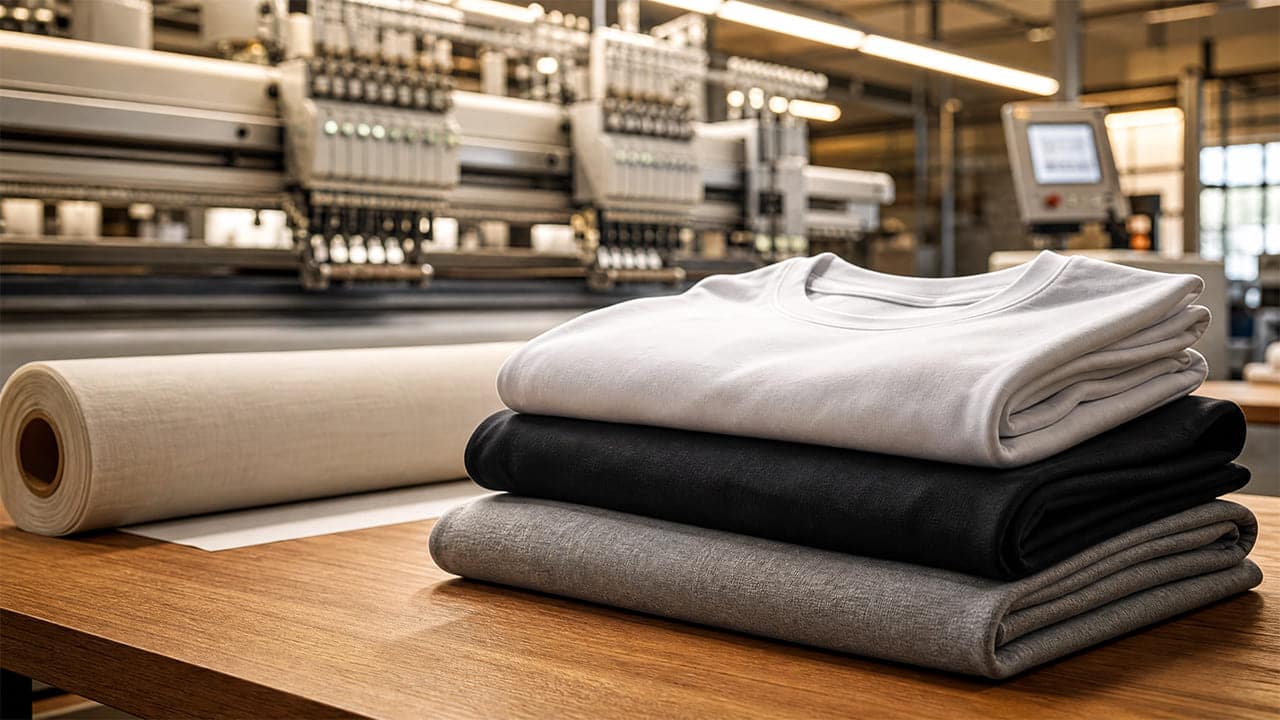

When you're building your own clothing brand, every decision counts. But few decisions count more than the fabric you choose. In the debate between cotton vs polyester t-shirts, the material your garments are made from can directly impact how your customers feel when wearing them, how well your branding prints, the longevity of the garment, and ultimately the kind of reputation your brand builds in the market. When it comes to choosing the best fabric for t-shirts, it’s not only about comfort. The fabric choice affects durability, print quality, brand positioning and the overall customer experience.
Cotton and polyester are the two kings of the t-shirt industry. Both are widely used in apparel manufacturing; both have very real strengths and limitations. We are a clothing manufacturer that has worked with startup brands, streetwear labels and established fashion businesses, so we’ve helped hundreds of brands make this decision. This guide makes it all so easy to help you make the right call for your product line.
What Is Cotton Fabric?
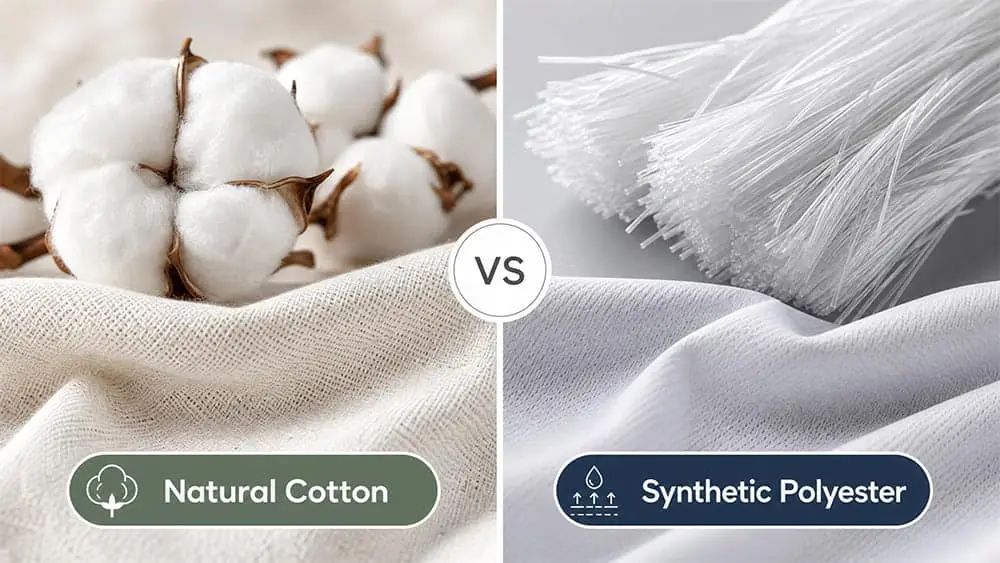
Cotton is a natural fiber harvested from the cotton plant. It has been used in clothing for thousands of years — and for good reason. Cotton t-shirts are soft against the skin, breathable, and comfortable for all-day wear. The natural fiber allows air to circulate freely, which helps regulate body temperature and reduces that uncomfortable sticky feeling in warm conditions.
For clothing brands, cotton comes in several forms worth knowing:
- Combed cotton is processed to remove short fibers and impurities, leaving a smoother, stronger yarn. It feels noticeably softer and more premium than standard cotton.
- Ring-spun cotton uses a spinning technique that creates a finer, stronger, and softer yarn—a popular choice for fashion-forward and streetwear brands.
- Heavyweight cotton (typically 280–320 GSM) has a thick, substantial feel that signals quality and durability. It's the go-to fabric for premium streetwear drops.
Understanding fabric weight is critical when selecting cotton for your brand. If you're unfamiliar with fabric weight measurements, it's worth reading about what GSM means in fabric before you finalize your sourcing decisions—it directly impacts how your finished garment looks, feels, and performs.
Many premium and streetwear brands default to cotton precisely because it aligns with a high-quality, authentic brand identity. It photographs beautifully, holds color well, and most importantly, customers love wearing it.
What Is Polyester Fabric?
Polyester is a synthetic fabric made from petroleum-derived polymers. It's not a plant like cotton but engineered in a lab which means manufacturers have a lot of control over its properties. The result is a fabric that is extremely durable, wrinkle resistant and dimensionally stable. Polyester shirts resist shrinking better than cotton, so your customers will get a consistent fit wash after wash.
One of polyester's biggest advantages is its moisture-wicking performance. Polyester fibers are hydrophobic so they repel water rather than absorb it. So it pulls sweat away from the skin and it evaporates quickly. This is the reason why polyester t-shirts make a practical choice for activewear, gym apparel, sports teams and outdoor performance brands.
Polyester's fast-drying properties and lower production costs also make it attractive for brands operating on tighter margins or producing high volumes, compared to premium cotton. Plus, it tends to be lighter weight for the same amount of coverage, which can reduce shipping costs at scale.
It's missing everyday lifestyle wear. Polyester. Many consumers find it less premium and in warmer climates or casual use the reduced breathability compared to cotton can make it feel less comfortable.
Cotton vs Polyester T-Shirts: Main Differences
Understanding the key differences between these two fabrics can help brands make informed sourcing decisions. Here's how they stack up on the factors that matter most in apparel manufacturing:
Softness: Cotton is the champion for softness, especially combed or ring spun versions. Polyester can be a smooth feeling, but many a wearer finds it a little synthetic against the skin.
Breathability: Cotton is much more breathable than polyester. Cotton T-shirts are far more comfortable in the heat as the natural fibres allow air to circulate. Polyester doesn't trap as much body heat, which is bad for casualwear but doesn't matter for performance wear.
Durability: Polyester is the more durable material in theory. More resistant to wear and tear, and fading over time. Heavyweight cotton tees are very strong and will last a long time if properly cared for.
Moisture Wicking: Polyester is the best moisture-wicking material. It draws moisture from the skin and dries fast. It's one of the negatives for athletic wear because cotton absorbs moisture and keeps the cloth wet longer, but it's not a problem in general for streetwear or lifestyle wear.
Shrinkage: Cotton can shrink, particularly when you wash it for the first time. This is something to be aware of in production, but it is dealt with by pre-shrink processes. Polyester is more likely to keep its shape and size after washing.
Print Quality: Cotton produces the best print results for most decorative processes, especially screen printing and DTG printing. Polyester requires special inks and processes and can sometimes be less vibrant or durable.
Washing Performance: Both fabrics washed well. On the other hand, polyester is more resistant to structural damage due to frequent washing. If cotton isn't cared for properly, it is likely to shrink or fade.
Sustainability: Cotton is a natural, biodegradable material but traditional cotton production is thirsty. Organic cotton helps to reduce this environmental impact greatly. Petroleum based polyester is not biodegradable, but there are more and more recycled versions available.
Cost: Polyester is generally cheaper to produce than quality cotton. The premium for combed or heavyweight cotton is usually justified by the perceived value it offers to marketers seeking quality positioning.
Which Fabric Is Better for Printing?
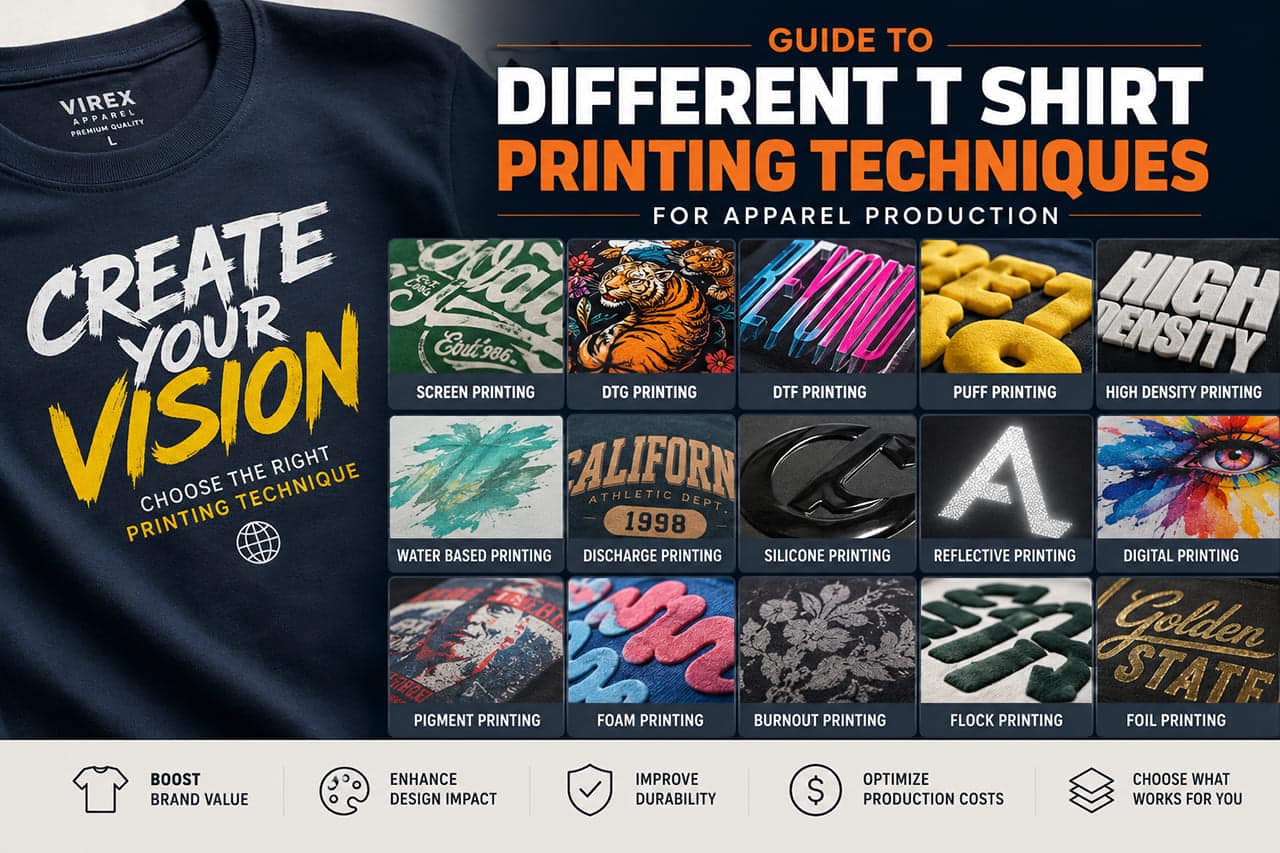
If your brand relies heavily on graphics, logos, and custom artwork—and most clothing brands do—print quality should be a top consideration in your fabric decision.
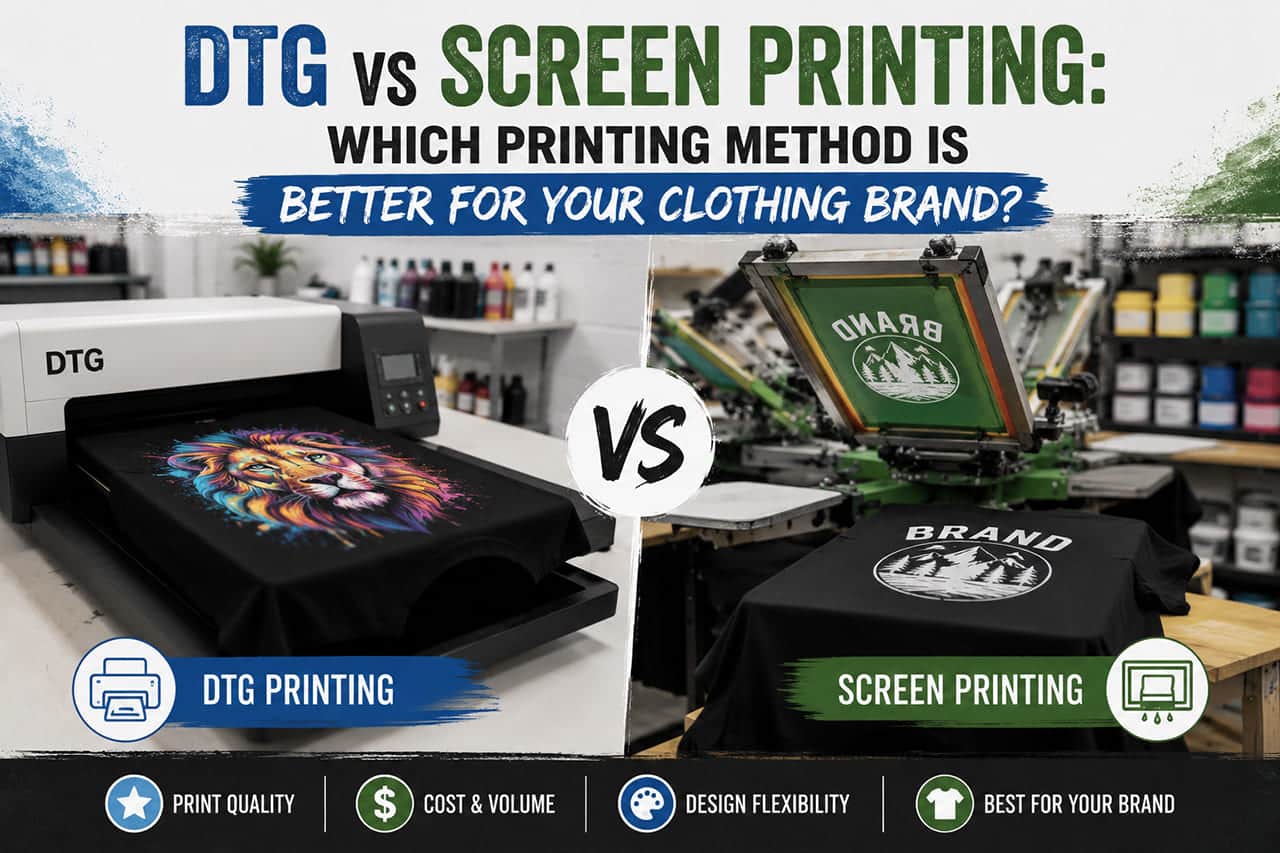
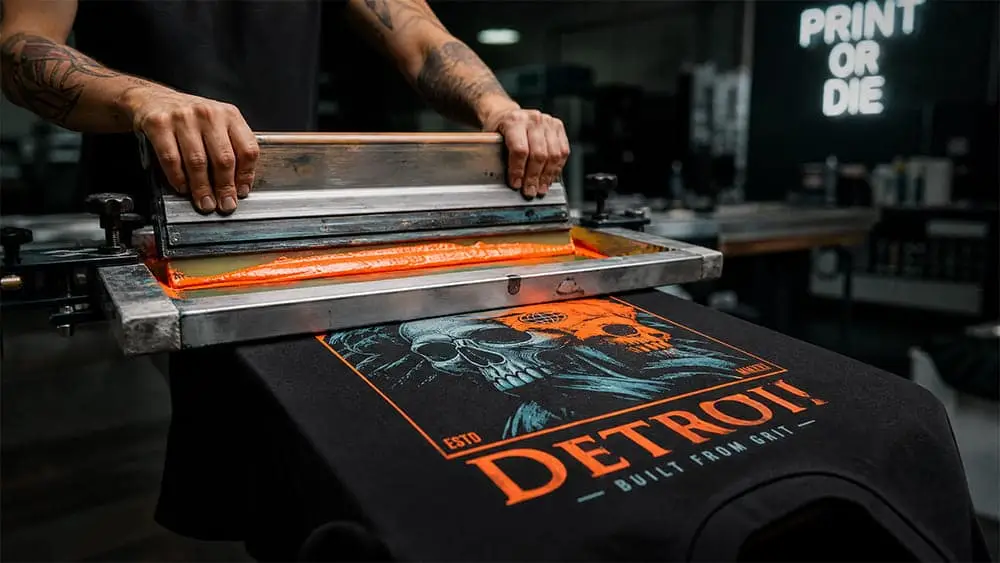
Screen printing performs best on cotton. The ink bonds cleanly with natural fibers, producing sharp, vibrant graphics with excellent washability. On polyester, standard screen printing inks can produce duller results, and heat during curing can sometimes cause issues with synthetic fibers.
DTG (direct-to-garment) printing is also better suited to cotton, particularly 100% cotton. Cotton's natural fibers absorb DTG inks more effectively, producing photographic-quality prints. Polyester blends require pre-treatment and can yield lower color vibrancy, especially on dark garments.
Puff printing, which creates a raised, three-dimensional graphic effect, works best on heavyweight cotton. The texture and thickness of quality cotton allow puff inks to rise uniformly, creating that tactile premium look popular in modern streetwear.
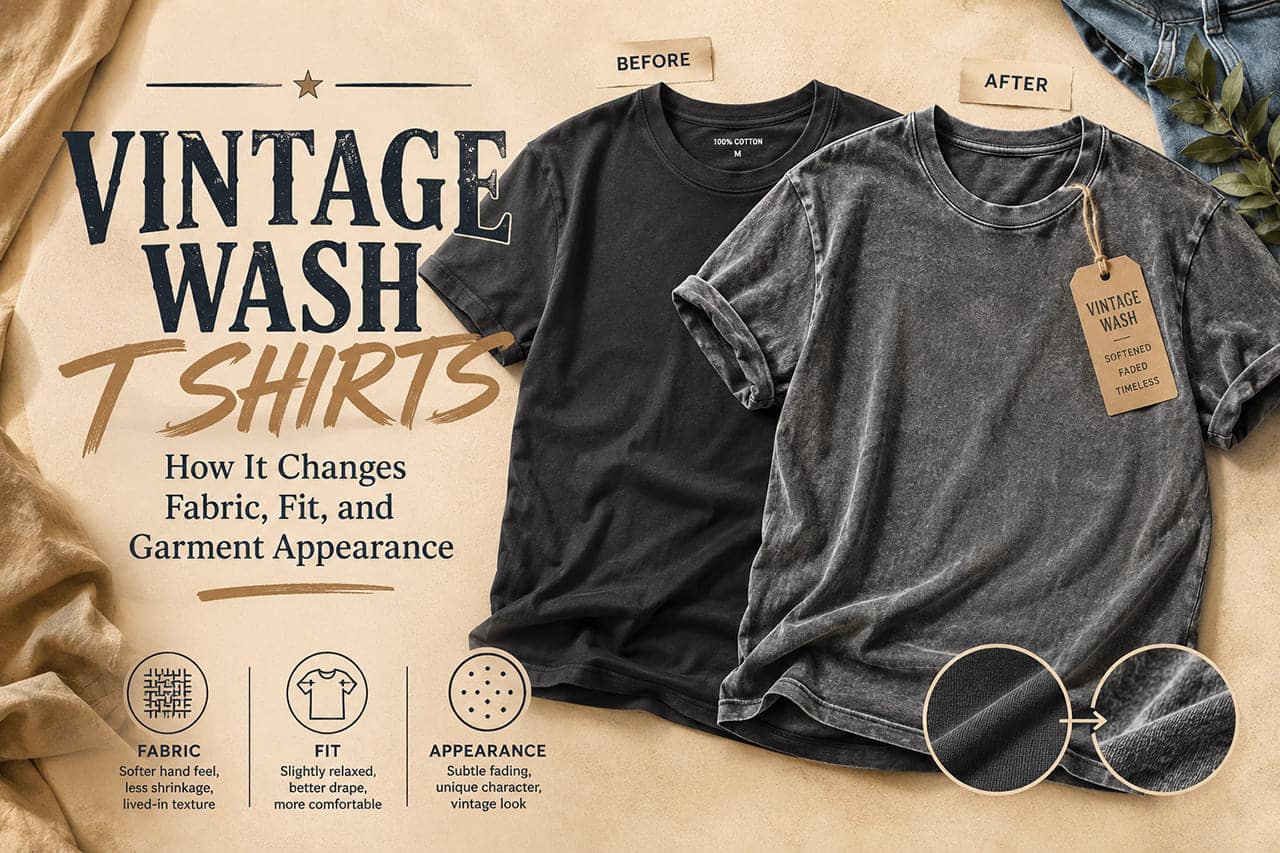
Vintage washing is a process that gives garments a worn, faded, lived-in look—it works almost exclusively on cotton fabric. The natural fiber responds to enzyme washing, bleaching, and garment-dyeing in ways that synthetic fabrics simply cannot replicate. If vintage aesthetics are part of your brand identity, cotton is non-negotiable.
The takeaway is clear: if print quality, print longevity, and creative print techniques are important to your brand, cotton is the better foundation.
Which Fabric Is Better for Streetwear Brands?
For streetwear brands specifically, the answer is almost always cotton — particularly heavyweight cotton.
Streetwear consumers are discerning. They can feel the difference between a cheap shirt and a quality one. A 320 GSM heavyweight cotton tee has a heft and structure that communicate premium quality the moment someone picks it up. Oversized silhouettes — a staple of the streetwear aesthetic — drape and hold their shape better in thick cotton than in synthetic fabrics.
Vintage washed garments, which have become a cornerstone of authentic streetwear aesthetics, require cotton to execute properly. The distressed, faded, worn-in look that cotton develops through garment washing is a genuine expression of quality craftsmanship—not something a polyester shirt can replicate.
If you're building a brand with premium positioning and you want customers to associate your name with quality, the weight and feel of your blank are part of the message. Choosing the right fabric weight is as important as choosing the fabric itself. We've covered the key considerations in our detailed guide on heavyweight vs lightweight t-shirts, which is worth reviewing before you finalize your blank specifications.
Which Fabric Should Clothing Brands Choose?
The honest answer: it depends on your brand's goals, product category, and target customers.
Here's a practical breakdown:
Choose cotton if you are:
- Building a premium streetwear or lifestyle brand
- Prioritizing print quality, particularly screen printing or DTG
- Developing vintage washed or garment-dyed products
- Targeting consumers who value comfort, softness, and natural materials
- Creating fashion basics or everyday essentials
Choose polyester if you are:
- Launching a sportswear, activewear, or performance apparel line
- Producing team uniforms, gym gear, or outdoor apparel
- Working within a tighter cost structure and need durability at scale
- Producing products where moisture wicking and fast-drying are functional priorities
Consider cotton-polyester blends if you are:
- Looking for a middle ground between comfort and durability
- Producing workwear or casual basics where value and longevity matter equally
- Managing cost while maintaining a reasonably soft hand feel
A 50/50 or 60/40 cotton-polyester blend can offer solid performance across most categories—softer than pure polyester and more durable and wrinkle-resistant than pure cotton. For budget-conscious brands that still want a quality product, blends are a practical choice.
When it comes to making the final call on fabric weight for your t-shirts, there's no guesswork involved. Our guide on the best GSM for t-shirts walks through exactly which weight ranges work for different brand categories, making it easier to spec your product correctly from the start.
How Clothing Manufacturers Help Brands Select Fabrics
When it comes to cotton vs polyester t-shirts, you don't have to make the decision on your own. A seasoned clothing manufacturer should be a production partner — not just a factory — and that means walking you through fabric selection from the very beginning.
Here's what that process looks like in practice:
Fabric sourcing: A reliable manufacturer has established relationships with certified fabric mills and can source consistent, quality materials at competitive prices. This is critical for maintaining product consistency across production runs.
GSM recommendations: Based on your brand positioning, target market, and product category, a manufacturer can recommend the most appropriate fabric weight. This prevents common mistakes like under-specifying a premium product or over-engineering a budget line.
Sampling: Before committing to a full production run, samples allow your team to evaluate fabric hand feel, drape, color response, and print quality in real conditions. This step is non-negotiable for serious brands.
Wash testing: Reputable manufacturers conduct wash testing to measure shrinkage rates, color fastness, and overall durability across multiple wash cycles. This protects your brand from quality complaints down the line.
Production consistency: One of the most underestimated risks in apparel manufacturing is inconsistency between runs. A professional manufacturer ensures that fabric sourcing, dyeing, and construction remain consistent so your customers receive the same quality product every time they order.
The right manufacturing partner doesn't just produce your garments—they help you build a product that represents your brand accurately and reliably at every stage of growth.
Conclusion
Both cotton and polyester make good t-shirt fabrics, but each has its own obvious strengths for specific use cases. Cotton wins on softness, breathability, printability, and being seen as a premium brand. Polyester excels at being durable, wicking moisture, resisting wrinkles, and being inexpensive.
Most clothing brands getting into the lifestyle, fashion, or streetwear market would be better off choosing cotton. It provides the comfort your customers demand, the print quality your graphics need, and the premium feel that helps build brand loyalty over time.
Polyester makes good practical sense for brands building in the activewear or performance space—it's built for movement, sweat, and high-wash environments.
The best fabric for your t-shirts is the one that fits your brand identity, serves your target customer, and gives you a consistent product.
FAQS
What are the main differences between cotton and polyester T-shirts?
Cotton and polyester differ significantly in softness, breathability, durability, moisture-wicking, shrinkage, print quality, wash performance, sustainability, and price. Cotton is known for its softness, breathability, and natural properties, while polyester is noted for its durability, moisture-wicking, and wrinkle resistance.
Which fabric is better for garment printing?
For most printing techniques, especially screen printing and DTG (direct-to-garment) printing, cotton is the better choice. As a natural fiber, cotton absorbs ink better, resulting in sharper, brighter, and longer-lasting designs. Polyester needs special inks and suitable for sublimation printing.
Which fabric is better for streetwear brands?
For streetwear brands, particularly those aiming for a premium positioning, heavyweight cotton is generally the better choice. It offers a quality feel and structure and is suitable for processes like vintage washing, which are core to streetwear aesthetics.
How should clothing brands choose the right fabric?
If the brand is focusing on premium positioning, print quality and natural comfort then cotton should be selected. If the products are activewear and the emphasis is on moisture-wicking and cost-effectiveness, polyester is more suitable.
What are the advantages of cotton-polyester blends?
Cotton-polyester blends offer a good balance between comfort and durability. They are softer than pure polyester and more durable and wrinkle-resistant than pure cotton, making them a practical choice for budget-conscious brands that still desire a quality product.